Top 14 Laravel Packages for Every PHP Project (2026)

Top Laravel packages are what make Laravel one of the most powerful and flexible PHP frameworks today. Laravel has become the go-to choice for building clean, scalable, and high-performance web applications. What truly sets it apart is its vibrant ecosystem of community-built packages from authentication and caching to image processing and payment integration. Choosing the right Laravel packages can save weeks of development time and make your project production-ready faster.

In this guide, we’ve handpicked the top 14 Laravel packages for every PHP project in 2026, tools trusted by developers to boost performance, streamline workflows, and simplify complex tasks. Whether you’re building a SaaS, an API, or a content platform, these packages will help you code smarter, not harder.

These tools are hand-picked for their consistent popularity, broad adoption, and vital functionality making any Laravel project faster, more secure, and easier to maintain.

Here are the top 14 Laravel packages for every PHP project in 2025, with in-depth details about each one and best practices for their use.

1. Laravel Debugbar

Laravel Debugbar is a comprehensive debugging tool that overlays a toolbar on your application. It provides real-time insights into database queries, route matching, variables, and more. This package is tremendously helpful during development and performance optimization. It highlights slow queries, points out N+1 query issues, and allows drilling into request details.

  • Best Use: Integrate from the start of development for actionable feedback, but disable in production environments.
  • Key Features: Timeline, database queries, memory usage, log viewer, and mail analysis.
  • Why Essential: It accelerates troubleshooting and helps ensure robust code before deployment.

2. Spatie Laravel Permission

Spatie Laravel Permission offers an elegant and flexible way to manage user roles and permissions inside your applications. With this package, you can easily assign roles to users, check permissions, and implement fine-grained access control.

  • Best Use: Perfect for SaaS, CMS, or any system with granular user control.
  • Key Features: Role assignment, middleware integration, blade directives, database-stored permissions.
  • Why Essential: Keeps code maintainable and policies transparent, enhancing security.

3. Laravel Horizon

Laravel Horizon provides a beautiful dashboard and code-driven configuration for your application’s Redis queues. Horizon allows you to monitor key metrics, job throughput, and failures in real time. The dashboard helps maintain healthy queues and smooth background job execution.

  • Best Use: Recommended for any app using Laravel queues (e.g., email, billing, uploads).
  • Key Features: Jobs analytics, failed jobs tracking, queue management UI.
  • Why Essential: Ensures job reliability and quick debugging of background tasks.

4. Laravel Excel

Laravel Excel is the go-to solution for importing and exporting Excel, CSV, and other spreadsheet files in Laravel. It smoothly integrates with Eloquent, supports chunked data operations, and allows data handling with minimum memory usage.

  • Best Use: Reporting, analytics, and bulk data management in enterprise applications.
  • Key Features: Import/export large datasets, CSV/Excel support, batch processing, high-performing with queues.
  • Why Essential: Saves countless hours for data operations and is widely trusted for flawless performance.

5. Spatie Laravel Backup

Spatie Laravel Backup is a robust tool for automating full backups of your Laravel application. It zips your code and database for local or cloud storage, with features like password protection, notifications, and backup monitoring.

  • Best Use: Integrate into all production apps for disaster recovery and compliance.
  • Key Features: Database + file backup, health checks, backup history, notifications.
  • Why Essential: Protects against data loss, enables rapid disaster recovery, and meets backup policies.

6. Laravel DB Auditor

Laravel DB Auditor empowers developers and DBAs to review and enforce database standards, constraints, and best practices. It supports MySQL, SQLite, and PostgreSQL for auditing database schema, constraints, and compliance.

  • Key Features: CLI and Web UI for database audits, detects missing constraints, evaluates standards, CLI reports to add constraints, tracks table creation/updates.
  • Installation Command: composer require --dev vcian/laravel-db-auditor
  • Why Essential: Ensures database integrity, enforces best practices, and streamlines schema health checks, especially critical for enterprise and regulated sector projects.

7. Pulse Active Sessions

Pulse Active Sessions is a Laravel Pulse card that visualizes and tracks active user sessions, providing real-time data and activity graphs for administrators.

  • Key Features: Live tracking of logged-in users, session management insights, Pulse dashboard integration, useful for capacity planning and real-time audits.
  • Installation Command: composer require vcian/pulse-active-sessions
  • Why Essential: Increases administrative visibility into user activity and engagement, aiding in moderation, support, and platform health.

8. Laravel Telescope

Laravel Telescope acts as a powerful debugging and insights companion tailored specifically for Laravel. It captures requests, exceptions, scheduled tasks, queries, jobs, notification events, and more with searchable, filterable logs.

  • Best Use: Monitoring, advanced debugging, and profiling during development and staging.
  • Key Features: Request/exception monitoring, job tracking, event logging, in-app UI.
  • Why Essential: Offers deep insights into your app’s inner workings, leading to better stability and faster issue resolution.

9. Laravel Socialite

Laravel Socialite streamlines OAuth authentication for major providers (Google, Facebook, GitHub, etc.), helping you add social login with minimal fuss. It’s officially maintained and supports custom providers.

  • Best Use: Applications demanding frictionless sign-up and login.
  • Key Features: Out-of-the-box social login, extensible for new providers, secure delegate authentication.
  • Why Essential: Reduces user churn, offloads credential management, and improves UX for onboarding.

10. Livewire

Laravel Livewire enables developers to build rich, reactive interfaces using simple PHP and Blade, replacing much of the JavaScript usually required. It empowers developers to build interactive user interfaces like file uploads, wizards, and modal dialogs with server-side logic.

  • Best Use: Any application needing modern, dynamic UIs without deep JavaScript expertise.
  • Key Features: Interactive, real-time UI updates, minimal JS, seamless Laravel integration.
  • Why Essential: Dramatically boosts productivity for developing modern interfaces using Laravel’s ecosystem

11. Spatie Media Library

The Spatie Media Library package manages file uploads, transformations, and associations between models and files. It automatically creates different image conversions (thumbnails, previews), handles remote/cloud storage, and links files intuitively to Eloquent models.

  • Best Use: Systems with user file uploads, galleries, or content management.
  • Key Features: Automatic file conversions, responsive image support, cloud integration, comprehensive API.
  • Why Essential: Handles file uploads and associations painlessly without writing custom boilerplate code.

12. Barryvdh Laravel IDE Helper

This tool generates helper files for your IDE, vastly improving the Laravel development experience through auto-completion and code navigation. It’s invaluable for boosting productivity, especially on large teams and codebases.

  • Best Use: All Laravel projects for improved developer experience across IDEs like PhpStorm, VS Code.
  • Key Features: Generates docs and meta files, supports model autocompletion, easy integration.
  • Why Essential: Reduces errors, accelerates onboarding, and supercharges daily coding workflows.

13. Laravel IP Gateway

Laravel IP Gateway provides IP whitelisting and blacklisting support, allowing developers to control access to their Laravel application with fine-grained rules. This is crucial for increasing API security and preventing unauthorized access.

  • Key Features: Whitelist/blacklist any number of IP groups, configurable middleware, customizable redirect on denial, and support for both blacklist and whitelist logic.
  • Installation Command: composer require vcian/laravel-ip-gateway
  • Why Essential: Protects sensitive endpoints and services with flexible, centralized IP restrictions, ideal for admin panels and private APIs.

14. Pulse Docker Monitor

Pulse Docker Monitor is a Laravel Pulse card for real-time monitoring of Docker containers, providing insights into resource usage (CPU and memory) directly within your Laravel Pulse dashboard.

  • Key Features: Visualizes Docker containers’ CPU and RAM usage, integrates into the Laravel Pulse ecosystem, and supports Livewire/Pulse dashboard enhancements.
  • Installation Command: composer require vcian/pulse-docker-monitor
  • Why Essential: Empowers DevOps and developers to monitor infrastructure health from within the Laravel admin interface, leading to proactive maintenance and troubleshooting.

Ready to Code Smarter with Laravel?

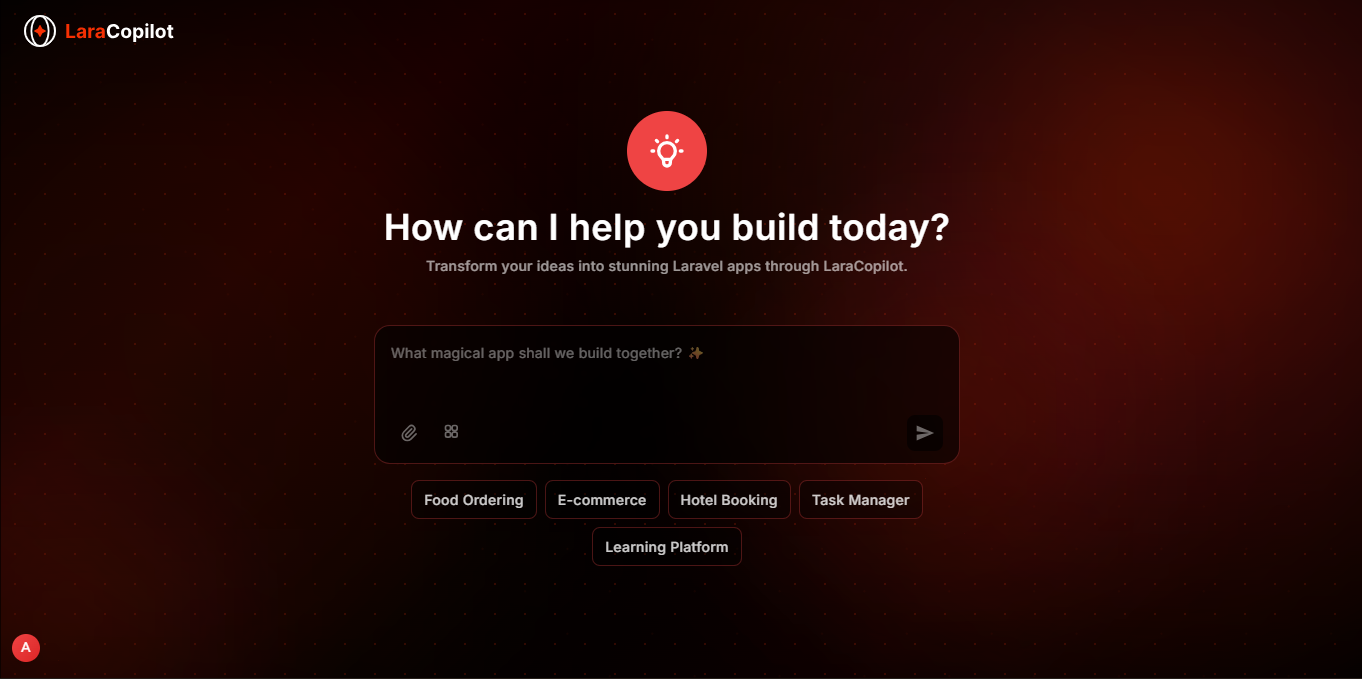
Meet LaraCopilot — your AI full-stack assistant built for Laravel developers.
Skip the boilerplate, build faster, and focus on what matters: problem solving.

Try LaraCopilot Now

What are Difference Between Laravel Packages

PackageKey PurposeWhy Use ItStars
Laravel DebugbarDebuggingProfiling, DB/query insights18,774
Spatie Laravel PermissionAccess ControlRole/permission management12,691
Laravel HorizonQueue ManagementReal-time job monitoring5,079
Laravel ExcelData Import/ExportExcel/CSV handling, reporting12,572
Spatie Laravel BackupBackup/RecoveryAutomated, encrypted backups5,892
Laravel TelescopeApplication InsightsIn-depth logging, profiling5,079
Laravel SocialiteAuth IntegrationOAuth social login5,300
LivewireReactive UIModern, JS-lite interfaces23,174
Spatie Media LibraryFile ManagementUpload, transform, associate files5,900+
IDE HelperIDE IntegrationCode autocompletion14,738

Additional Honorable Mentions

Best Practices for Package Use

  • Audit Dependencies Regularly: Only use packages actively maintained and compliant with Laravel’s latest version.
  • Review Documentation: Each recommended package includes extensive docs read before integration for smooth adoption
  • Performance: Benchmark after addition, especially for debugging or monitoring packages, to avoid performance pitfalls
  • Environment Switches: Ensure that development packages (Debugbar, Telescope) are disabled in production to secure and optimize live applications.

Ready to Code Smarter with Laravel?

Meet LaraCopilot — your AI full-stack assistant built for Laravel developers.
Skip the boilerplate, build faster, and focus on what matters: problem solving.

Try LaraCopilot Now

Wrap-up!

The right Laravel packages can transform any PHP project improving speed, code quality, and long-term scalability. Whether you’re building a SaaS, an eCommerce platform, or internal business tools, these community-driven packages help you ship faster, debug smarter, and keep your applications stable for years.

As you plan your next Laravel build, focus on packages with strong adoption, active maintenance, and solid documentation. Choosing well-supported tools today ensures smoother development, easier updates, and future-ready apps that grow with your business.

And if you want to supercharge your workflow with AI-powered code assistance, try LaraCopilot today, your new coding partner built for modern Laravel development.

Top 11 Laravel Development Companies in 2026

Looking to outsource your next web project? The top Laravel development companies of 2026 like ViitorCloud, Bacancy Technology, and Redberry consistently deliver reliable, secure, and scalable web applications for businesses worldwide.

We’ve compared these companies on pricing, features, client reviews, and expertise so you can choose your ideal partner without worry. Whether you’re an agency, entrepreneur, or IT manager, finding the right Laravel team reduces risk, saves time, and ensures your project succeeds in a fast-changing digital market.

TL;DR: Quick Comparison Highlights

  • See pricing, specialties, and client focus for 10 leading Laravel companies.
  • Use our comparison table to shortlist vendors by industry fit and budget level.
  • Find reliable hiring tips, mistakes to avoid, and updated FAQs for 2026.
  • Avoid delays, miscommunication, and hidden costs by following proven selection steps.

What is a Laravel Development Company?

A Laravel development company specializes in building secure, scalable web applications using the Laravel PHP framework.

They provide end-to-end services including design, development, testing, and ongoing support.

Laravel has been a developer favorite since 2011 due to its flexibility, community support, and increasing demand in modern startups and enterprises.

As of 2026, over 60% of new PHP-based web projects choose Laravel for custom builds and integration.

What expert says: “Laravel companies enable SMEs and startups to launch robust web platforms faster and with fewer bugs.”

Why this matters: Picking a specialized Laravel firm ensures your app follows modern security, coding, and performance standards.

Why Do Top Laravel Development Companies Matter in 2026?

  • Proven Reliability: Companies with verified track records help avoid costly project delays.
  • Specialized Talent: Laravel experts streamline online business growth and digital product launches.
  • Industry Trends: Demand for outsourced Laravel projects has grown 20% YOY in the last year.
  • Real Impact: Agencies report up to 3x faster project turnaround and 40% reduction in post-launch bugs.
  • Pain Point Solved: Businesses seek reliable partners to reduce risk and ensure clear communication.

How to Choose and Hire the Right Laravel Partner: Step-by-Step Process

Step 1: Define Project Scope and Outcomes

Write out your project goals, required features, timeline, and budget estimates.

Why this matters: Clear goals prevent misunderstandings and set realistic expectations.

Pro tip: Use templates and checklists (like Trello or Asana) to organize your requirements.

Step 2: Shortlist Candidates With Proven Laravel Experience

Filter agencies by Laravel expertise and industry case studies, reviewing portfolios within your business sector.

Pro tip: Focus on vendors with recent Laravel projects relevant to your needs.

Example tools: Clutch, GoodFirms.

Step 3: Compare Client Feedback and Reviews

Read testimonials and ratings on public platforms. Agencies with repeat business and high satisfaction scores usually stand out.

Pro tip: Look for detailed feedback, not just ratings.

Example tools: Trustpilot, Google Reviews.

Step 4: Analyze Pricing and Value

Request quotes and compare pricing models fixed, hourly, or dedicated teams.

Pro tip: Clarify what’s included to avoid surprise fees.

Example: Some companies require larger minimum project budgets than others.

Step 5: Assess Communication and Technical Skills

Schedule calls to discuss workflows, reporting, and technical questions.

Why this matters: Good communication reduces errors and downtime.

Pro tip: Ask for code samples or process documentation.

Step 6: Confirm Ongoing Support & Maintenance

Review SLAs and post-launch maintenance terms before signing.

Pro tip: Get support commitments in writing to keep your app fast and secure after launch.

How Do the Top 10 Laravel Companies Compare?

1. ViitorCloud Technologies

Rating:

4.8 / 5 (85 Reviews)

Projects Delivered:

500+

Clients:

80+ in 30+ Countries

Experience:

12+ Years

Average ROI Increase:

18%

ViitorCloud offers AI-powered Laravel solutions and has pioneered automating complex coding tasks with its advanced developer assistant tool. As the creator of the Laravel Vibe coding platform, LaraCopilot, ViitorCloud leads innovation for Laravel developers, streamlining development with intelligent automation and an ecosystem focus. Their cross-functional teams deliver scalable web apps for enterprise clients and startups including custom integrations, API-first architectures, legacy app modernization, and DevOps automation. ViitorCloud has also launched a specialized sub-brand focused on Laravel + AI excellence, Devlyn AI dedicated to pushing the boundaries of AI-augmented software development.

Key Services:

Custom Laravel Development, AI-Powered Automation, API Integration, Legacy App Modernization

Top Clients: Laravel, DP World, marideal, KPMG, Adani

Minimum Project Size: $10,000+

Hourly Rate: $30–$50/hr

Founded: 2011

Location: Ahmedabad, India

Contact: +91 84889 64723 | [email protected]

2. Bacancy Technology

Rating:

4.7 / 5 (120+ Reviews)

Clients Worldwide:

1,600+

Average Developer Experience:

3+ Years

Transparent pricing, fully signed NDAs, and agile teams are Bacancy’s strengths. They offer simple hiring for dedicated Laravel teams, with custom SCRUM-based engagement models suited for long-term projects and rapid launches.

Key Services:

Dedicated Laravel Development, Enterprise SCRUM Teams, API Solutions

Minimum Project Size: $10,000+

Hourly Rate: $22–$45/hr

Founded: 2011

Location: Ahmedabad, India / USA

3. Redberry International

Rating:

4.8 / 5 (91 Reviews)

Custom Laravel Web Apps:

150+

Partnership Level:

Diamond-tier Laravel Partner

Redberry is one of eight global Diamond Partner agencies. Known for intricate CRMs, ERPs, and SaaS platforms, they combine Laravel with leading frontend frameworks and have shipped projects to clients in 15+ countries.

Key Services:

Laravel Mobile App Dev, Laravel API, Enterprise Integrations, Analytics Dashboards

Minimum Project Size: $10,000+

Hourly Rate: $25–$50/hr

Founded: 2014

Location: T’bilisi, Georgia

4. Saritasa

Rating:

4.6 / 5 (100+ Reviews)

Web Solutions Delivered:

250+

Saritasa excels in full-stack Laravel solutions, legacy modernization, and technical consulting for large enterprises. Their agile process ensures clear communication and reliability for major client projects.

Key Services:

Custom Laravel Development, DevOps Automation, API Integrations, Legacy App Upgrades

Minimum Project Size: $50,000+

Hourly Rate: $100–$150/hr

Founded: 2005

Location: Newport Beach, CA

5. WPWeb Infotech

Rating:

4.7 / 5 (80+ Reviews)

Web Solutions Delivered:

350+

WPWeb Infotech specializes in Laravel and WordPress integrations for agencies and SMEs. Their subscription plans scale from support to complete site builds, with rapid turnaround and flexible engagement.

Key Services:

Custom Laravel Dev, Laravel CMS, Enterprise Solutions, eCommerce, Healthcare Systems

Minimum Project Size: $5,000+

Hourly Rate: $25–$45/hr

Founded: 2015

Location: Ahmedabad, India

6. Space-O Technologies

Rating:

4.8 / 5 (74 Reviews)

Happy Clients:

1,200+

Web Solutions Delivered:

250+

Experience:

14+ Years

Average ROI Increase:

23%

Space-O Technologies is a USA-based Laravel development service provider with over a decade of experience in providing scalable Laravel solutions. The team integrates APIs, CRM systems, and leverages Eloquent ORM, Blade templating, and Artisan console for automation.

Key Services:

Custom Laravel Development, Integration Services, eCommerce, Migration, Maintenance

Minimum Project Size: $25,000+

Hourly Rate: $25–$49/hr

Founded: 2010

Location: Ahmedabad, India

7. Acquaint Softtech

Rating:

4.9 / 5 (150+ Reviews)

Clients Worldwide:

1,300+

In-House Laravel Developers:

70+

Acquaint Softtech is one of the few agencies with dual official recognition as both an Official Laravel Partner and Laravel News Partner. Their 70+ in-house developers handle everything from SaaS scaling to legacy modernization across 20+ industries, with 48-hour onboarding and a 95% first-time sprint delivery rate.

Key Services:

Laravel SaaS Development, Custom Laravel Web Apps, API Integration & Ecommerce Solutions

Minimum Project Size: $5,000+

Hourly Rate: $22–$45/hr

Founded: 2013

Location: Ahmedabad, India / USA / UK / Canada / New Zealand

8. Zealous System

Rating:

4.7 / 5 (88 Reviews)

Industry Specialties:

12+

Zealous delivers custom, high-performance Laravel web apps suitable for heavy workloads and complex data. Their agile approach, post-launch support, and expertise in industries like healthcare, education, and logistics stand out.

Key Services:

Custom Laravel Dev, Real Estate Solutions, eCommerce Apps, Logistics Software

Minimum Project Size: $25,000+

Hourly Rate: $20–$60/hr

Founded: 2008

Location: Ahmedabad, India

9. IndiaNIC Infotech Ltd

Rating:

4.8 / 5 (150+ Reviews)

Projects Delivered:

1,000+

IndiaNIC has two decades of experience in global web projects, combining design, technology, and business strategy for scalable Laravel solutions in media, retail, and telecom.

Key Services:

Custom Web, Mobile Apps, IoT, Automation

Minimum Project Size: $25,000+

Hourly Rate: $25–$49/hr

Founded: 1998

Location: Ahmedabad, India

10. Innowise

Rating:

4.9 / 5 (71 Reviews)

Laravel Solutions Delivered:

50+

Innowise streamlines Laravel web, portal, and application builds. They focus on clean, secure code and business-first results with centralized project knowledge and ongoing support.

Key Services:

Custom Laravel App Dev, Web Portals, Enterprise Platforms

Top Clients: Unilever, Chubb, ABB

Minimum Project Size: $10,000+

Hourly Rate: $50–$99/hr

Founded: 2007

Location: Warsaw, Poland

11. eSparkBiz

Rating:

4.7 / 5 (92 Reviews)

Global Clients:

600+

eSparkBiz delivers affordable, fast-launch Laravel solutions for startups and SMEs with flexible engagement and project transparency.

Key Services:

Custom Laravel Web Development, MVP Launch, API Integration

Top Clients: Dr. Fixit, PurpleCow

Minimum Project Size: $5,000+

Hourly Rate: $25/hr

Founded: 2010

Location: Ahmedabad, India

Company NameAvg. Project CostKey Industry FocusMin. Project SizeClient RatingNotable Feature
ViitorCloud$30–$50/hrAI, Enterprise, SMEs, Government$10k4.8/5End-to-end Laravel innovation
Bacancy Technology$22–$45/hrFintech, SaaS$10k4.7/5Agile teams, flexible contracts
Redberry International$25–$50/hrStartups, EdTech$10k4.8/5Strong design-driven approach
Saritasa$100–$150/hrE-Com, Media$50k4.6/5US-based management, full-stack
WPWeb Infotech$25–$45/hrAgencies, SMEs$5k4.7/5WordPress & Laravel expertise
Space-O Tech$25–$49/hrMobility, Enterprise$25k4.6/5App-centric Laravel development
Acquaint Softtech$22–$45/hrEnterprise, SMEs$5K4.9/5Custom Laravel Development
Zealous System$20–$60/hrRetail, Education$25k4.7/5Adaptive, cross-sector
IndiaNIC Infotech$25–$49/hrEnterprise, Startups$25k4.8/5Large-scale custom solutions
Innowise Group$50–$99/hrFinance, Logistics$10k4.6/5Global, process-driven teams
eSparkBiz$25/hrStartups, SMEs$5k4.7/5Fast-launch, cost-effective

Ratings and costs current as of Feb 2026; source: Clutch, public agency data

What to Consider When Choosing a Laravel Development Partner?

  • Is their industry experience relevant to your needs?
  • Do their ratings and case studies show a proven track record?
  • Does their pricing fit your budget and project size?
  • How do they handle communication, project management, and support?
  • Are there any red flags in contract terms?

Wrap-up!

ViitorCloud stands out as the top choice for Laravel development in 2026, blending proven expertise and next-generation technology. Their team leads the industry as both an official Laravel Partner and the creator of LaraCopilot, the world’s first AI-powered coding platform for Laravel developers. LaraCopilot enables teams to automate common workflows, streamline app scaffolding, and drive code quality at scale, all while maintaining the elegant simplicity Laravel is known for.

With 14+ years of web engineering experience, ViitorCloud offers managed impact teams, robust support, and end-to-end Laravel solutions for startups and enterprises. Their “Think big, start small” agile methodology and AI-first approach help clients launch faster, cut development costs, and future-proof digital platforms. Businesses working with ViitorCloud benefit from rapid AI-driven prototyping, advanced security, and continuous improvement directly addressing the challenges and opportunities of modern web outsourcing.

For agencies and entrepreneurs seeking a reliable Laravel partner that delivers innovation and measurable results, ViitorCloud ranks at the top, thanks to their relentless focus on technology, client success, and community leadership in the Laravel ecosystem.

Now is the perfect time to contact ViitorCloud, explore LaraCopilot, and unlock the full power of Laravel for your next big web project.

How to Use AI in Laravel?

AI in Laravel offers you the power to build smarter, faster apps with automated workflows, intuitive predictions, and seamless coding all using tools built for Laravel developers like you. One standout solution is LaraCopilot, an AI-powered full-stack engineer designed to help you develop Laravel MVPs incredibly fast by automating repetitive tasks and generating production-ready code from plain English instructions.

What is AI in Laravel and Why Should You Use It

AI in Laravel means integrating intelligent features like chatbots, recommendations, image recognition, and automation directly inside your Laravel applications. You don’t just build CRUD interfaces anymore; you unlock real-time learning and decision-making for your users. As a developer, this gives you:

  • Smarter user experiences and personalized content
  • Automated repetitive tasks (so you focus on creative work)
  • Data-driven insights and predictions
  • Higher scalability without adding new manual workflow

LaraCopilot makes these benefits accessible, letting you build full-stack Laravel apps that learn, adapt, and automate directly from your browser with zero local setup.

How Can You Integrate AI into Your Laravel Application

You have several options to start your Laravel AI integration journey:

  • Use AI-powered tools like LaraCopilot, which takes care of boilerplate, generates models, controllers, migrations, and more automatically.
  • Connect APIs like OpenAI or Hugging Face for smart chatbots, content generation, and semantic search.
  • Deploy custom ML models and glue them with Laravel using RESTful APIs.
  • Add NLP, vision, and analytics using cloud AI services (Google, AWS, Azure) with Laravel’s flexible HTTP clients or queues.

You can see the latest Laravel AI tools for developers and compare their features in a dedicated guide published this month.

What Makes LaraCopilot Unique for Laravel AI Integration

You get instant value from LaraCopilot because:

  • It understands Laravel best practices, so generated code is clean, scalable, and modern (Laravel 11, PHP 8.3, PSR-12 standards).
  • You simply describe your app’s requirements in plain English, and LaraCopilot builds backend, frontend, database schema, admin panel, authentication, and more.
  • No need to install anything locally, just open LaraCopilot in your browser and start building.
  • GitHub integration keeps your workflow smooth, with two-way sync and code reviews.
  • One-click deployment means you launch your app without vendor lock-in.

How Does LaraCopilot Automate Laravel Development

LaraCopilot isn’t just an AI code generator, it’s a workflow optimizer:

  • Generates models, migrations, controllers, and routes instantly from your specs.
  • Builds complete admin panels with full authentication and permissions.
  • Provides suggestions for database indexing, query optimization, and security scanning using AI best practices.
  • Handles queue jobs, background tasks, and third-party API integration out of the box.
  • Uses smart templates to help you bootstrap projects for MVPs, e-commerce, SaaS, or any custom domain.
  • Offers production-grade deployment, scalable architecture, and automatic code tests.

Why Choose AI-Powered Automation in Laravel

You save a ton of time and avoid tedious work that drains creativity. Some of the key benefits:

  • Rapid MVP development
  • Stronger security through continuous AI-driven monitoring
  • Predictive analytics and reporting for smarter business decisions
  • Consistent code quality and fewer bugs (thanks to AI suggestions and code review helpers)
  • Native support for popular AI APIs, models, and cloud platforms

Best Practices for AI Integration in Laravel Development

To maximize your results:

  • Start with clear and detailed requirements so AI can generate precisely what you want.
  • Always review generated code for business logic and security compliance.
  • Use built-in testing tools to validate features before going live.
  • Keep your workflows modular; combine multiple AI tools if needed for specialized tasks (language, vision, analytics).
  • Monitor performance, costs, and user feedback for continuous improvement.

How to Get Started With LaraCopilot for Laravel AI Integration

Ready to experience the future of Laravel automation? Here’s how:

  1. Go to LaraCopilot.
  2. Sign up and open the browser-based IDE (no install required).
  3. Describe your Laravel app requirements in plain English.
  4. Get clean, production-level code for all major components, instantly.
  5. Sync to GitHub, test with built-in tools, and deploy your app effortlessly.
  6. Use available resources, documentation, and new feature guides to explore advanced AI workflows.

You can dive deeper into recommended tools at Best AI for Laravel and product documentation linked this month.

Why LaraCopilot is Game-Changer for Laravel Developers

LaraCopilot lets you focus on creativity, problem-solving, and business logic not boilerplate and repetitive coding. With deep Laravel expertise and AI-driven automation, you deliver MVPs and production apps faster, with higher quality and innovation.

Stay Ahead With AI in Laravel

If you’re ready to skip the old way of building Laravel apps, try LaraCopilot today for instant access to automated, AI-powered development workflows. Explore more about Laravel automation and AI trends in 2025 using the latest guides published this month.

Build smarter, debug faster, and ship better Laravel apps every time, start now with LaraCopilot.

Want to learn more? Dive into Best Laravel Development Tools for expert insights and practical examples.

Don’t miss out, future-proof your Laravel skills with AI automation and join the next wave of softwaree of software innovation!

Best AI Assistants for Laravel Developers (2026)

AI assistants for Laravel are everywhere in 2026. Laravel developers, just like you, want to work smarter, not harder. Whether you build business apps, APIs, or SaaS, picking the best AI for Laravel helps you code faster, squash bugs, and WOW your users with smart features. But with so many AI tools for Laravel, it’s tough to choose. This post compares the top Laravel AI assistants and tells you exactly where to start.

Why Use AI Tools in Laravel?

You know the basics: Laravel is powerful, but even the best framework can be time-consuming. That’s where AI shines.

  • Save time: Let AI write boilerplate code and generate scaffolding in minutes, not hours.
  • Catch bugs early: Spot issues before they crash your app.
  • Add smart features: Power up your projects with AI-driven chat, code suggestions, search, and analytics.
  • Stay ahead: Keep your work razor-sharp and impress clients or managers.

If you want to keep up or get ahead, an AI assistant is now essential for Laravel development.

What Makes a Great AI Assistants for Laravel ?

Picking the best AI assistant for Laravel means looking for a few must-haves:

  • Seamless Laravel integration
  • Intuitive setup
  • Quality results you can trust
  • Good documentation and support
  • Works for solo devs AND agency teams

Ready to see the best options for 2026? Here’s your shortlist.

1. Laracopilot (Top Pick for 2026)

Laracopilot is the Laravel AI assistant built for developers who want speed, quality, and true Laravel-native integration. Laracopilot understands your code, automates the boring stuff, and brings your ideas to life with zero fuss.

Why it’s best:

  • Instant project setup: Go from idea to prototype with scaffolding, migrations, and admin pane, no manual coding.
  • AI code completion: Autocomplete, refactor, and optimize code the Laravel way.
  • Laravel best practices: All code is PSR-compliant and Pint formatted.
  • Live preview: Test changes on the fly.
  • From solo devs to teams: Helps founders, freelancers, and agencies ship apps faster.
  • No huge learning curve: Install and get results in minutes.

Benefit: With Laracopilot, you skip setup headaches and focus on what matters. You spend more time building impressive apps and less time fighting boilerplate.

Try it now: Install via Composer and see your workflow level up from day one. Laracopilot is your secret weapon for Laravel in 2026. Don’t wait, boost your code, confidence, and creativity.

2. Laravel AI Chat Starter Kit

Looking to launch an AI-powered chat in your Laravel app? The Laravel AI Chat Starter Kit gives you real-time, multi-model chat streaming with top providers like OpenAI, Google Gemini, Anthropic, and more.

Why it stands out:

  • Real-time response streaming: Chat feels natural, fast, and intelligent.
  • Works with many AI models: Switch between the best LLMs without rewriting your integration.
  • Easy install: Use composer or the Laravel installer, get rolling fast.
  • Modern UI & theming: Light/dark mode, CSS variables, and chat sharing built-in.
  • Authentication included: Built using Laravel Sanctum and supports user management.
  • Tech stack: Up-to-date with Laravel 12.x, Vue.js 3, Inertia.js, and Tailwind CSS.

Benefit: Add a production-ready, fully customizable AI chat to your site in less than an hour. No glue code, just results.

Get started: Run laravel new --using=pushpak1300/ai-chat my-ai-chat and try it in minutes.

3. OpenAI GPT (ChatGPT)

For advanced text generation, smart search, or custom chatbots, OpenAI GPT is a household name. Laravel integrates via API to summon ChatGPT’s power for support bots, creative writing, and dynamic content.

Why choose it:

  • Rock-solid, world-leading LLMs
  • Deep documentation
  • Easy to connect from Laravel with HTTP clients

Downside: You pay for API usage as traffic grows.

4. GitHub Copilot & CodeWhisperer

While not Laravel-exclusive, both GitHub Copilot and Amazon CodeWhisperer help Laravel devs write controllers, migrations, and Eloquent models faster. Copilot excels in VSCode and JetBrains; CodeWhisperer focuses on backend and security for AWS projects.

5. Hugging Face & DeepPavlov

If you want open-source flexibility, check out Hugging Face (for hundreds of community LLMs and NLP tools) and DeepPavlov (great for chat and Q&A). Both connect to Laravel via simple API calls. Hosted or self-hosted options mean you control your data.

How to Decide Best AI for Laravel

Ask yourself:

  • Need instant code and chat help? Laracopilot is your Laravel-native solution, blending code automation with an intelligent chat buddy.
  • Want ready-to-ship AI chat? The Laravel AI Chat Starter Kit gets you live in minutes.
  • SaaS with smarts? OpenAI GPT, GitHub Copilot, or CodeWhisperer scale with your app.
  • Open-source approach? Hugging Face and DeepPavlov offer flexibility.

Which Pain Points Do These Tools Solve?

  • Worried about compatibility? Laracopilot and the AI Chat Starter Kit are built for Laravel, plug-and-play style.
  • Dreading setup pain? Laracopilot: run Composer, start building. AI Chat Starter Kit: clone and chat.
  • Scaling up? OpenAI, GitHub Copilot, and AWS AI tools go enterprise.
  • Need to control costs or keep things local? Hugging Face and DeepPavlov allow self-hosting for data-sensitive projects.

Real-World Use Cases for AI in Laravel

  • Rapid prototyping: Auto-generate CRUD, APIs, and even admin panels with Laracopilot.
  • Support bots and live chat: Launch cutting-edge support in hours using the AI Chat Starter Kit.
  • Code review/bug fixing: Catch silly errors before they become big problems.
  • Documentation: Let AI keep your inline docs fresh and up-to-date.

How to Add AI to Your Laravel App

  1. Pick your favorite assistant: Need productivity? Start with Laracopilot. Want chat? Go with the AI Chat Starter Kit.
  2. Install: Most use Composer or a simple installer.
  3. Add your API keys: For tools like OpenAI or Anthropic, secure those environment variables!
  4. Try a sample project: Build a demo feature to see the real value.
  5. Expand: Use more AI helpers as your needs grow.

Expert Tips for Getting the Most from Your Laravel AI Assistant

  • Protect credentials: Never hardcode API keys.
  • Stay updated: Let Composer do regular package updates.
  • Combine tools: Need chat and code? Use both Laracopilot and the Chat Starter Kit.
  • Don’t be afraid to experiment: Each app has its own needs. Your best solution might mix and match.

Upgrade Your Laravel Workflow Today

Ready to supercharge your Laravel workflow? Try Laracopilot first. It’s built just for developers like you, so you’ll see real results in your code, speed, and sanity. Download, install, and unleash productivity in less than 10 minutes.

Want AI chat in your app? Give the Laravel AI Chat Starter Kit a spin. Connect your favorite LLMs, launch a smart chatbot, and engage users instantly.

Don’t wait, the best AI for Laravel is just a command away. Your apps and your users, will thank you!

Which is Best AI for Laravel?

Best AI for Laravel helps developers build smarter, faster, and more efficient web applications with ease. If you’re a Laravel developer, you’re already creating scalable web apps with one of the best PHP frameworks around. But as artificial intelligence becomes essential in modern development, one big question arises, which AI is best for Laravel? With dozens of AI tools competing for attention, choosing the right one for your workflow is crucial. Don’t worry! This guide will help you choose the best AI for Laravel, compare top AI tools, and find the perfect Laravel AI assistant for your needs.

Why Use AI with Laravel?

You’re probably wondering, “do I really need AI in my Laravel projects?” The answer is a strong yes. AI can automate routine tasks, personalize user experiences, supercharge search, and even predict user behavior. Think, smarter chatbots, dynamic content recommendations, or even AI-driven code completion. You get faster development, happier users, and easier scaling.

What Makes an AI Tool Good for Laravel?

Before diving into options, let’s make your checklist. The best AI for Laravel should:

  • Integrate smoothly with PHP and Laravel
  • Offer easy API or SDK access
  • Be simple to install and maintain
  • Help automate common development tasks
  • Deliver accurate, reliable results
  • Fit your budget and team skill level

Easy integration is the golden rule. The closer the AI tool works with Laravel’s ecosystem, the more value you unlock.

Top AI Tools for Laravel

Here’s a quick look at some of the best options. You’ll find more details for each below.

AI ToolBest ForIntegration LevelValue for Laravel Devs
LaraCopilotCode assist, chatbots, NLPVery High (Native)Laravel-specific, seamless
OpenAI GPT (ChatGPT)Text, chat, content creationHigh (API, SDK)Powerful, easy to use
Google Cloud AIVision, ML, NLPMedium (API)Advanced, scalable
AWS AI (SageMaker, Lex)Machine learning, chatbotsMedium (API, SDK)Robust, secure
LaravelAICode assist, optimizationHigh (Native pkg)Laravel-specific helper
Hugging FaceCommunity models, NLPMedium (API)Flexible, open-source
DeepPavlovCustom chatbots, NLPMedium (API)Customizable, open-source

1. Laracopilot

Laracopilot is designed for Laravel developers and offers native AI-powered features, such as auto-completion, code suggestions, smart refactoring, documentation creation, and even chatbot integration, all inside your Laravel workflow. The setup is simple, with package installation via Composer and immediate productivity gains.

Pros:

  • Designed for Laravel, zero extra work to integrate.
  • Boosts coding speed with contextual suggestions and error checks.
  • Adds smart documentation and AI-driven chat assistants to your apps.

Cons:

  • New compared to broader platforms, feature set still growing.
  • Focused on code help and workflow rather than heavy machine learning.

Use it for: Fast, smart code writing, Laravel-specific chatbots, instant AI productivity.

2. OpenAI GPT (ChatGPT)

If you want a smart, conversational Laravel AI assistant, OpenAI’s GPT models (like ChatGPT) are tough to beat. They’re perfect for natural language processing, text generation, chatbots, or even AI-driven search. Getting started is easy. OpenAI provides REST APIs and SDKs you can plug right into your Laravel backend.

Pros:

  • Instant text and chat capabilities
  • Reliable, with regular updates
  • Tons of documentation and community help

Cons:

  • May cost more at scale
  • Sensitive data should be handled carefully

Use it for: AI-powered chatbots, auto-responders, smart search, auto-generating emails, and more.

3. Google Cloud AI

Google Cloud brings enterprise-level AI tools covering vision, natural language processing, and predictive analytics. With pre-trained models and a robust API, you can add features like image recognition or sentiment analysis to your Laravel project.

Pros:

  • Powerful machine learning options
  • Scalable infrastructure

Cons:

  • Setup can get complex
  • Need to understand Google Cloud console

Use it for: Large-scale projects, enterprise-grade features, apps needing image/video analysis or advanced ML.

4. AWS AI (SageMaker, Lex)

Amazon’s AI suite gives you tools for everything, machine learning with SageMaker, chatbots with Lex, and more. AWS integrates with PHP via SDKs, so you can connect Laravel to these services with some configuration.

Pros:

  • Secure and enterprise-ready
  • Lots of features, from voice to vision

Cons:

  • Pricey for heavy use
  • Learning curve if new to AWS

Use it for: Voice-based apps, automated workflows, scaling up with cloud AI.

5. Hugging Face

If you love open-source and want maximum control, Hugging Face delivers. Their platform gives you pre-trained NLP models and APIs you can call from Laravel. Popular for custom chatbots, sentiment analysis, and language features.

Pros:

  • Huge model collection
  • Free and open-source options

Cons:

  • You host or manage models yourself
  • Requires basic AI/ML know-how

Use it for: Custom AI workflows, experimenting with cutting-edge models.

6. DeepPavlov

Focused on natural language tasks, DeepPavlov is open-source and packed with models for chatbots, Q&A, and segmentation. The API suits Laravel, especially if you need fine-grained control over conversational AI.

Pros:

  • Free, highly customizable
  • Growing community support

Cons:

  • Setup needs technical skill
  • Limited pre-trained resources vs big vendors

Use it for: Custom chatbot projects, research-grade NLP.

Choosing the Best AI for Laravel: Key Questions

So which AI is right for your Laravel app? Here’s how to decide:

  • Do you need text, chat, or code help? Start with Laracopilot for top-notch native code suggestions, chatbot integration, and workflow improvement right inside Laravel. OpenAI GPT/ChatGPT is also good for advanced natural language and content tasks.
  • Building a large-scale platform? Google Cloud AI or AWS AI offer robust tools for scaling and deeper analytics.
  • Want open-source freedom? Hugging Face or DeepPavlov have flexible, community-powered options.
  • Need native Laravel integration? LaravelAI keeps things simple and “Laravel-friendly.”

How to Integrate AI Tools with Laravel

Adding AI to Laravel isn’t hard. Most tools offer REST APIs (easy for Laravel to call with Guzzle, HTTP, or built-in methods). Others have PHP SDKs, install directly via Composer.

General steps:

  1. Choose your AI tool (API or SDK)
  2. Add Laravel support (via composer, or by configuring API keys)
  3. Set up environment variables for security
  4. Write the integration logic, think controllers, jobs, middleware
  5. Test with sample data and iterate until it works smoothly

Start with one smart feature (like a chatbot or code suggestion), then expand as you get more comfortable.

Best Practices for AI in Laravel

  • Always protect API keys and sensitive data.
  • Log AI-driven actions in Laravel so you can audit and debug.
  • Stay updated: AI models evolve fast; check for new versions.
  • Test with real user data before launching.
  • Combine AI features for maximum value – a chatbot plus smart search, for example.

Common Pain Points Solved

  • Unclear which AI tools fit Laravel? With this list and breakdown, you’ll confidently compare options and pick what works for you.
  • Worried about setup headaches? OpenAI offer the simplest, fastest onboarding.
  • Need enterprise power or open-source tools? Google, AWS, Hugging Face, and DeepPavlov cover all scales and custom needs.

Your Next Step: Try an AI Tool Today!

Ready to supercharge your Laravel projects? Try Laracopilot first. It’s built specifically for Laravel, easy to install, and gives you smart code suggestions, native chatbots, and automated documentation right inside your favorite framework. Laracopilot lets you work faster, improve quality, and keep your workflow simple.

If you want a powerful, Laravel-specific AI assistant, Laracopilot is the perfect starting point. Add it to your workflow today and experience immediate productivity gains and smarter development.

Why wait? Sign up Laracopilot, build a demo feature, or launch an AI-powered chat in minutes. Let your users and your workflow benefit from real, Laravel-native AI.

If you need help or expert advice, reach out for integration support, unlock even more from Laracopilot and the latest AI tools for Laravel.

Start with Laracopilot and see the difference it makes!

11 Best Laravel Development Tools for Developers in 2026

The 11 best Laravel development tools for 2026 include a mix of IDEs, workflow utilities, debugging assistants, Laravel AI code generator, deployment managers, and learning resources. Leveraging these tools will significantly boost productivity, enhance project quality, and simplify complex development tasks.

Best Laravel Development Tools in 2026

1. PHPStorm

PHPStorm is the top IDE for Laravel developers. It combines smart features, deep Laravel integration, and a strong community to make development faster and easier.

Why Developers Choose PHPStorm

  • In 2025, PHPStorm remains the go-to IDE for over 60% of Laravel developers, according to JetBrains.
  • It consistently ranks higher than other IDEs thanks to its built-in Laravel support and developer-focused productivity tools.
  • On platforms like G2 and SoftwareSuggest, developers praise PHPStorm for improving code quality, debugging, and overall efficiency.

Who Uses PHPStorm

You’ll find PHPStorm in the toolkits of:

  • Laravel developers and backend engineers working in startups, midsize, and enterprise teams.
  • Freelancers and agencies who want fast debugging, clean refactoring, and deep Laravel insights.
  • Teams that rely on database tools, testing features, and version control in one workspace.

Key Laravel Features

  • Laravel-Aware Code Intelligence – Get smart autocompletion, navigation, and refactoring for Blade, Eloquent, routes, and validation rules.
  • Laravel Idea Plugin (Now Free) – Access instant navigation, smart code generation, and Blade syntax help — all tuned for Laravel.
  • Built-in Debugging & Testing – Use Xdebug, Pest, or PHPUnit with visual debugging and coverage reports.
  • Artisan CLI Inside the IDE – Run and debug Artisan commands without leaving PHPStorm.
  • Powerful Database Tools – Edit queries, visualize schemas, and connect directly to your Laravel database.
  • Code Quality Built In – Enforce best practices using Laravel Pint and Larastan.
  • Version Control Support – Work seamlessly with Git and other VCS tools.

What Developers Say

  • 53% of PHPStorm users give it the highest satisfaction rating — more than any other PHP IDE.
  • They love the fast navigation, smart autocomplete, and rock-solid stability.
  • While beginners mention a small learning curve and higher memory use, most say the productivity boost is worth it.

Trusted by the Laravel Community

  • The Laravel core team recommends PHPStorm, especially after the Laravel Idea Plugin became free.
  • Many open-source contributors and tech companies use PHPStorm daily for its reliability and Laravel-first design.

PHPStorm isn’t just an IDE — it’s the most complete development environment for Laravel. If you want speed, precision, and confidence in your workflow, PHPStorm is your best choice.

2. Visual Studio Code (VS Code)

Visual Studio Code — or simply VS Code is one of the most popular editors for Laravel developers in 2025. It’s fast, free, open source, and packed with extensions that make Laravel development smooth and efficient.

Why Developers Love VS Code

According to the Stack Overflow Developer Survey 2025, VS Code remains the most used code editor worldwide and Laravel developers are no exception. Its flexibility, speed, and massive extension library make it ideal for web and backend development.

Developers also prefer VS Code when working across multiple languages like PHP, JavaScript, Vue, and React giving it a big edge for full-stack Laravel workflows.

On community platforms like Laracasts and Reddit, it’s consistently praised for being lightweight and easy to set up for Laravel projects.

Who Uses VS Code

VS Code fits perfectly for:

  • Laravel developers who want a fast and extensible editor.
  • Full-stack developers building Laravel with JavaScript, Vue, or React.
  • Freelancers and startups who want a powerful yet free setup.
  • Enterprise teams that need a flexible, cross-platform tool.

If you work across different languages or frameworks, VS Code gives you a consistent, unified workspace.

Key Features for Laravel Developers

  • Laravel Extensions – You can supercharge VS Code with must-have extensions like Laravel Extra Intellisense, Laravel Blade Snippets, and the official Laravel VS Code extension. These tools boost your autocomplete, Blade syntax highlighting, model navigation, and Artisan command integration.
  • Built-in Terminal & Git – Run Artisan commands, migrations, and Git operations directly inside VS Code.
  • Customizable Workspace – Change themes, shortcuts, and layouts to fit your workflow perfectly.
  • Active Community – With frequent updates and plugins featured on Laravel News, VS Code keeps getting better for PHP and Laravel.
  • Lightweight and Fast – Ideal for any system setup, even for remote or server-side Laravel development.

Ratings and User Satisfaction

VS Code consistently scores 9–10/10 for usability and performance on GetApp and other review sites. Developers love its cross-platform flexibility, clean UI, and snappy performance with large Laravel projects.

While it may lack some deep Laravel refactoring tools found in PHPStorm, most users say extensions easily fill the gap. And since it’s free, it’s a no-brainer for many developers at every level.

Trusted by the Laravel Community

The Laravel News team and top educators like Laravel Daily often recommend VS Code for modern Laravel workflows.

It’s widely adopted by open-source contributors and used in education, startups, and large-scale companies where licensing costs and flexibility matter.

If you want a fast, flexible, and cost-free editor that grows with your Laravel projects, VS Code is your best choice. With its thriving community and powerful extensions, it’s the perfect environment for building and scaling Laravel apps in 2026.

3. Laravel Sail

Laravel Sail is the official local development environment for Laravel. It makes setup simple by running everything inside Docker — no need to install PHP, MySQL, or Redis on your system.

If you want to start a Laravel project fast and avoid the “it works on my machine” issues, Sail is your go-to setup in 2026.

Why Developers Love Laravel Sail

Sail is widely used by Laravel developers for one big reason — it just works out of the box.

The official Laravel documentation itself recommends Sail for most new projects.

It’s cross-platform, easy to use, and perfect for consistent development across Windows, macOS, and Linux.

Developers on Reddit’s Laravel community and itis also called “the simplest way to run Laravel locally” — even if you’ve never touched Docker before.

Who Should Use Laravel Sail

Sail is ideal for:

  • Beginners who want to skip manual setup and focus on coding.
  • Teams that need the same setup across different devices or operating systems.
  • Experienced developers who want a reproducible, Docker-powered environment without deep configuration.

If you’re building Laravel apps in a team or just starting out, Sail helps you keep your workflow consistent and fast.

Key Features and Benefits

  • Pre-Built Docker Setup – Instantly spin up PHP, MySQL/PostgreSQL, Redis, and more using a single command. Learn more from Laravel’s official guide.
  • No Docker Expertise Needed – You can use simple CLI commands like sail up and sail artisan without dealing with Docker Compose files.
  • Consistent Across Systems – Your environment looks and behaves the same whether you’re on Windows, Mac, or Linux.
  • Quick Onboarding – Launch a full Laravel stack in minutes. Perfect for new hires or prototypes.
  • Easy to Extend – Add services like Meilisearch or MongoDB as your project grows.
  • Integrated Testing – Run PHPUnit and Laravel’s test suite inside isolated containers for clean, reproducible results.
  • Built-In CLI Wrappers – Use commands like sail artisan, sail composer, and sail npm to manage everything from inside the container.

Ratings and Developer Feedback

Laravel Sail gets glowing reviews across the Laravel community. Developers appreciate its:

  • Instant setup and reliability.
  • Cross-platform performance.
  • Ease of onboarding for teams.

According to Gyata.ai, developers highlight Sail’s ability to eliminate common local environment bugs and improve collaboration speed.

Trusted by the Laravel Core Team

Sail is officially built and maintained by the Laravel core team. It’s featured in countless open-source projects and recommended across developer blogs and courses like Dev.to and Laravel News.

Even advanced developers rely on Sail for quick prototyping and standardized setups, making it one of the most endorsed tools in the Laravel ecosystem.

If you want to skip complex local setup, ensure consistent environments, and start coding faster, Laravel Sail is your best choice. It’s fast, reliable, and officially supported — giving you everything you need to build and test Laravel apps with confidence.

4. Laravel Telescope

Laravel Telescope is the official debugging and monitoring tool for Laravel. It gives you a clear window into what’s happening inside your application making it easier to fix errors, analyze performance, and optimize workflow in real time.

If you’re building modern Laravel apps in 2026, Telescope is your go-to tool for visibility and control.

Why Developers Love Laravel Telescope

Telescope is extremely popular among Laravel developers for its deep integration and real-time monitoring.

With over 24 million downloads and thousands of stars on GitHub, it’s one of the most trusted packages in the Laravel ecosystem.

It’s actively maintained by the Laravel core team and featured frequently on Laravel News for helping developers spot bottlenecks and errors early in development.

Who Should Use Laravel Telescope

Telescope is perfect for:

  • Laravel developers and teams who want full debugging visibility.
  • Agencies and companies maintaining high-performance or mission-critical apps.
  • Learners and freelancers who want to understand Laravel’s request lifecycle, database queries, and application events in depth.

If you need clarity while coding or testing your Laravel app, Telescope saves hours of debugging time.

Key Features and Benefits

  • Request Monitoring – See every HTTP request, along with headers, parameters, and events. This helps you track user behavior and spot logic issues fast.
  • Error and Exception Tracking – Get detailed stack traces the moment something breaks, so you can fix it before it hits production.
  • Database Query Logging – View every SQL query, detect slow queries, and reduce redundancy.
  • Queued Job and Task Monitoring – Check job execution times, queue performance, and failures inside one dashboard.
  • Mail and Notification Tracking – Track every outgoing email or notification in real time for easy troubleshooting.
  • Cache, Redis, and Events Insight – Monitor cache hits, Redis commands, and events for a complete view of your app’s performance.
  • Intuitive Web Dashboard – Access all logs and insights at the /telescope route, fully secured and filterable.
  • Simple Setup – Install via Composer and start tracking instantly—no complicated configuration needed.

Ratings and Developer Feedback

Telescope consistently earns high satisfaction scores in developer reviews.

Developers appreciate how it simplifies error detection and improves overall app quality.

Common highlights include:

  • Faster debugging and reduced guesswork.
  • Clear visibility into backend performance.
  • Seamless integration with other Laravel tools like Horizon and Sail.

Many call it a “must-have” tool for both new and advanced Laravel projects.

Trusted by the Laravel Core Team

Laravel Telescope is developed and officially maintained by the Laravel team. It’s widely recommended in community resources, blog tutorials, and Matt Stauffer’s introduction post.

Telescope plays a key role in how modern Laravel apps are monitored, tested, and optimized today.

If you want complete visibility into your Laravel app’s behavior, Laravel Telescope is the ultimate debugging companion. It gives you instant insights, detailed logs, and deep system monitoring—all inside a clean, secure dashboard.

5. Laracopilot

Laracopilot is an AI-powered coding assistant built specifically for Laravel developers. Unlike general AI tools such as GitHub Copilot, Laracopilot deeply understands Laravel’s architecture, conventions, and ecosystem making it a smarter, faster, and more reliable partner for building modern Laravel applications.

If you want an AI that thinks in Laravel, not just in code, Laracopilot is made for you.

Why Developers Love Laracopilot

Laracopilot is quickly becoming one of the most talked-about tools in the Laravel community.

Developers appreciate its Laravel-native intelligence, built to understand routes, models, migrations, controllers, and Eloquent relationships.

It’s a huge step forward from generic AI tools because it writes context-aware, best-practice Laravel code automatically.

It’s not just another AI assistant — it’s a framework-aware development partner designed to save hours of manual work.

Who Uses Laracopilot

Laracopilot is ideal for:

  • Laravel developers who want AI that understands Laravel’s ecosystem.
  • Product teams building or scaling Laravel apps who need consistent, production-ready code.
  • Freelancers and agencies developing MVPs, dashboards, or enterprise apps quickly.

If you’ve ever wished GitHub Copilot “spoke Laravel,” Laracopilot delivers exactly that.

Key Features and Benefits

  • Framework-Aware AI – Laracopilot knows Laravel conventions like resource controllers, Eloquent models, service containers, and queues. It writes code that follows official Laravel best practices.
  • Rapid Code Generation – Create migrations, controllers, authentication, and even admin panels instantly using Laracopilot’s AI engine.
  • Database & Architecture Intelligence – Suggests optimized relationships and bindings for complex Eloquent structures, reducing time spent on architecture decisions.
  • Clean Code Enforcement – Enforces PSR standards and integrates with Laravel Pint for clean, consistent formatting.
  • Project Bootstrapping – Spin up full Laravel projects, including CI/CD setup and folder structure, in seconds.
  • Smart GitHub Sync – One-click deployment and two-way GitHub sync streamline your workflow.
  • Adaptive Prompts – Learns from your coding style to offer personalized, context-relevant suggestions.

Developer Feedback & Ratings

Early adopters report significant productivity gains using Laracopilot for MVPs and large-scale Laravel apps.

Reviews highlight:

  • Less repetitive coding.
  • Smarter database and route generation.
  • Accurate use of Laravel features like UUIDs, middleware, and traits — areas where generic AI tools often fail.

The tool’s ability to apply real Laravel logic not just guess syntax is what makes it a standout in 2026.

Trusted by the Laravel Community

Laracopilot is recommended by Laravel-focused blogs, AI developer communities, and creators working on enterprise-grade Laravel products.

It is one of the most promising Laravel-native AI assistants of 2025. It’s also part of the broader AI-driven Laravel ecosystem.

If you want an AI assistant that writes code like a Laravel expert, Laracopilot is your best choice. It speeds up development, improves code quality, and automates the repetitive parts all while keeping your project 100% Laravel-compliant.

6. Laravel Debugbar

Laravel Debugbar is one of the most trusted debugging and profiling tools for Laravel. It gives you a live, visual overview of your app’s inner workings — helping you debug faster, optimize performance, and understand your code better.

Whether you’re new to Laravel or building enterprise-grade applications, Debugbar is a must-have in your local setup in 2026.

Why Developers Love Laravel Debugbar

Laravel Debugbar continues to be one of the most installed Laravel packages worldwide, featured regularly in “top Laravel tools” lists on Laravel News.

Developers rely on it because it’s simple, open source, and deeply integrated with Laravel’s request lifecycle. It works out of the box — just install, load your app, and the Debugbar appears with instant insights into your application.

With millions of downloads and backing from the Laravel community, it’s considered essential for development and troubleshooting.

Who Uses Laravel Debugbar

Laravel Debugbar is ideal for:

  • Solo developers working on new or existing Laravel projects.
  • Teams and agencies that need detailed, real-time debugging insights.
  • Beginners learning how Laravel handles routes, views, and queries.
  • Consultants optimizing Laravel apps for clients and performance audits.

If you want to understand what’s happening under the hood of your app, Debugbar shows it all, clearly and instantly.

Key Features and Benefits

  • Interactive Debug Toolbar – A floating toolbar appears at the bottom of your app, showing live data as you browse. It includes timing, memory, and database metrics.
  • Request & Response Tracking – View all request parameters, headers, cookies, and the route or controller handling them.
  • SQL Query Profiling – See every query executed, with execution time and duplicate detection to identify performance bottlenecks.
  • Route & Middleware Info – Instantly check which route, controller, and middleware are in use to fix routing issues faster.
  • View and Data Debugging – Inspect data passed to your Blade templates, helping you identify missing or incorrect variables.
  • Memory & Performance Insight – Track memory usage and page load times to spot slow processes.
  • Logging and Exception Display – Send messages directly to the Debugbar with Debugbar::info(), and catch exceptions in real time.
  • AJAX and API Request Monitoring – Debug asynchronous XHR requests with live logs.
  • Fully Customizable – Enable, disable, or add your own collectors for specific data points.

Developer Feedback & Ratings

Laravel Debugbar consistently earns praise from developers for saving time and simplifying debugging which make is one of the best Laravel development tools in community.

Reviews highlight its:

  • Instant setup and non-intrusive design.
  • Detailed query and route tracking.
  • Compatibility with the latest Laravel versions.

Many users say it’s the first package they install after creating a new Laravel project because it helps them catch bugs before deployment and optimize performance early.

As Laravel News puts it, Debugbar is “the Swiss army knife of Laravel debugging.”

Trusted by the Laravel Community

Created and maintained by Barry vd. Heuvel, one of the most respected contributors in the Laravel ecosystem, Debugbar has long been endorsed by the Laravel core team, open-source educators, and developer courses.

It’s used in thousands of Laravel-based SaaS, eCommerce, and enterprise projects and remains the go-to local debugging tool in 2025.

If you want real-time visibility into your Laravel app from SQL queries to routes and performance, Laravel Debugbar is your best friend in development.

It’s free, powerful, and trusted by Laravel experts worldwide.

7. Laravel Socialite

Laravel Socialite is the official social authentication package for Laravel. It makes integrating OAuth logins with platforms like Google, GitHub, Facebook, LinkedIn, and X (Twitter) effortless without writing complex authentication logic.

If you want to add social login to your Laravel app in minutes, Socialite is the tool built for you.

Why Developers Love Laravel Socialite

Socialite is one of the most widely used Laravel packages for authentication.

It’s maintained by the Laravel core team, trusted by thousands of developers, and featured often on Laravel News and community tutorials.

Its clean API and seamless integration make it the standard solution for adding OAuth-based logins in 2026.

With over 5.7K stars on GitHub and active contributions from the Laravel community, Socialite is a proven, production-ready package for modern web and mobile apps.

Who Uses Laravel Socialite

Laravel Socialite is perfect for:

  • Developers who want to add social login without handling OAuth manually.
  • Startups and SaaS teams that want faster signups and smoother onboarding.
  • Freelancers and agencies building apps that rely on third-party user authentication.

If your app requires login through Google, GitHub, or LinkedIn — Socialite handles it all with a few lines of code.

Key Features and Benefits

  • Simple OAuth Integration – Authenticate users via Google, Facebook, GitHub, LinkedIn, Slack, X (Twitter), and more. Learn more in the official Laravel Socialite docs.
  • Quick Setup – Just install with Composer and add provider credentials in config/services.php. No manual token exchange or callback logic required.
  • Extensible Providers – Use Socialite Providers to connect to 100+ additional platforms, including Discord, Twitch, and Zoom.
  • Custom Scopes & Stateless Auth – Ideal for SPAs and mobile apps that need flexible authentication without storing session data.
  • Automatic User Data Retrieval – Fetch user details like name, email, and avatar automatically after successful authentication.
  • Built-in Security – Uses trusted OAuth 2.0 protocols and official APIs for secure authentication.
  • Reduced Dev Time – Saves hours by automating token exchange, redirection, and user mapping.

Developer Feedback & Ratings

Developers consistently rate Socialite as one of the best Laravel packages for authentication.

Highlights include:

  • Fast integration and developer-friendly syntax.
  • Active maintenance and support from the Laravel team.
  • Perfect fit for both web and mobile backends.

Socialite dramatically reduces setup time while maintaining top-tier security.

Some users extend Socialite via the Socialite Providers ecosystem for niche or custom platforms, making it flexible enough for any project type.

Trusted by the Laravel Community

Socialite is officially built and maintained by the Laravel team and endorsed by major Laravel educators and content creators.

It’s used by developers across SaaS, eCommerce, and EdTech industries where easy, secure user login is mission-critical.

It’s also highlighted in Laravel courses, YouTube tutorials, and community discussions for being one of the fastest ways to add OAuth to your Laravel app.

If you want to simplify social logins and boost user onboarding speed, Laravel Socialite is your best choice. It’s secure, fast, and officially backed by Laravel making it the go-to authentication solution for 2026 and beyond.

8. Laravel Mix

Laravel Mix has long been one of the most popular tools in the Laravel ecosystem for asset compilation and bundling.

It provides a simple, fluent API for managing your CSS, JavaScript, and other front-end assets — without diving deep into complex Webpack configuration.

Even though Laravel now recommends Vite for new projects, Mix continues to serve thousands of developers and legacy codebases in 2025 for its reliability and ease of use.

Why Developers Love Laravel Mix

When Laravel Mix was first introduced, it quickly became the default front-end build tool for Laravel apps (from Laravel 5.4 through 8.x).

Its intuitive syntax made compiling assets as simple as writing a few lines of code — a major improvement over configuring Webpack manually.

Mix remains widely used in ongoing Laravel projects because of its stability, minimal setup, and familiar workflow.

For developers maintaining older or enterprise-level Laravel applications, it’s still a dependable choice.

Who Uses Laravel Mix

Laravel Mix is best suited for:

  • Developers and teams who want a quick, consistent setup for asset management.
  • Projects started before 2023 that rely on Mix for existing build pipelines.
  • Beginners who prefer a simple abstraction over Webpack’s complex configuration.
  • Agencies and enterprises maintaining long-term Laravel projects with stable, predictable build environments.

If your app doesn’t need real-time updates or Vite’s lightning-fast dev server, Mix still delivers everything you need for efficient asset handling.

Key Features and Benefits

  • Simple Asset Compilation – Use a fluent, chainable API to compile JS, CSS, Sass, Less, and other assets.
  • Cache Busting (Versioning) – Automatically appends unique hashes to filenames for instant cache clearing.
  • Preprocessor Support – Native integration with Sass, Less, PostCSS, and Stylus for modern styling workflows.
  • Hot Module Replacement – Enables fast browser reloading during local development.
  • Source Maps – Makes debugging compiled and minified files easier.
  • Optimized for Production – Compresses and minifies assets for smaller bundle sizes and faster load times.
  • Unified Webpack Configuration – Keeps complex build setups simple and readable.
  • Legacy Compatibility – Fully compatible with older Laravel versions and easily adaptable for long-running projects.

Mix gives developers a consistent experience whether they’re managing a small web app or a large enterprise application.

Developer Feedback & Ratings

Developers continue to rate Laravel Mix highly for its simplicity, ease of setup, and reliability.

While most new projects now use Vite for faster builds and better dev tooling, Mix remains beloved among teams maintaining production Laravel systems.

On Reddit, developers frequently highlight that Mix still works perfectly for most Laravel projects — especially when stability outweighs the need for bleeding-edge performance.

Trusted by the Laravel Community

Laravel Mix was originally developed and endorsed by the Laravel core team, and it continues to receive community maintenance through the official GitHub repository.

It’s featured in countless tutorials, legacy documentation, and open-source Laravel projects showing just how influential it’s been in shaping front-end workflows for the framework.

Even though Vite is now the modern standard, Mix’s legacy continues to help developers ship clean, optimized, and maintainable assets.

If you want a stable, familiar, and no-fuss tool for asset compilation in your Laravel project, Laravel Mix is still a solid choice in 2025.

It may no longer be the default, but it remains one of the most dependable asset pipelines for Laravel apps that value simplicity and consistency.

9. Laravel Entrust

Laravel Entrust is one of the earliest and most widely recognized role-based access control (RBAC) packages in the Laravel ecosystem.

It helped developers easily assign roles and permissions to users, providing a structured and reliable way to handle user authorization, long before Laravel introduced its own Gate and Policy features.

As of 2025, Entrust remains relevant mainly for legacy Laravel projects, while newer applications have largely moved to alternatives like Spatie’s Laravel Permission.

Why Developers Used Laravel Entrust

For years, Entrust was the go-to RBAC package in the Laravel community.

It offered a simple way to define roles and permissions, store them in the database, and protect routes using middleware.

Entrust gained thousands of GitHub stars because of its clean API, ease of setup, and deep integration with Laravel’s Auth system.

However, as Laravel News and developers on Packagist note, Entrust hasn’t been actively maintained in recent years. With Laravel’s rapid evolution, many developers now prefer modern packages like spatie/laravel-permission, which offer better support for newer Laravel versions.

Who Uses Laravel Entrust

Entrust is still used by:

  • Developers maintaining older Laravel apps built between versions 5 and 10.
  • Teams with legacy systems that already depend on Entrust’s database schema and API.
  • Small and mid-sized projects needing simple role/permission management without upgrading their Laravel version.

If you’re maintaining a long-running Laravel app or migrating older code, Entrust may still serve your RBAC needs but new projects should look toward newer solutions.

Key Features and Benefits

  • Flexible RBAC Structure – Assign multiple roles to users, and attach multiple permissions to each role.
  • Database Migrations Included – Automatically creates roles, permissions, and pivot tables for relationship management.
  • Soft Deletes Support – Allows safe removal of roles or permissions without losing historical access data.
  • Built-in Middleware – Protect routes or controllers based on roles and permissions with a simple Entrust::can() check.
  • Extensible Design – Offers hooks for customization and extensions through forks or community packages.

Developer Feedback & Ratings

Developers appreciated Entrust for its simplicity and quick integration, especially in older Laravel versions.

It helped teams:

  • Set up roles and permissions in minutes.
  • Protect admin routes or APIs easily with built-in middleware.
  • Maintain consistent access control logic across multiple modules.

However, in community discussions (like on Reddit’s r/Laravel), many developers caution that Entrust is no longer actively maintained and lacks compatibility with Laravel 11 and 12.

Tools like Laravel Shift also flag Entrust as a potential upgrade blocker for modern Laravel apps.

Current Community Perspective

While Entrust still appears in many “Top Laravel Tools” lists for its historical significance, its role today is primarily legacy support.

Modern developers and educators including the Spatie team and Laravel maintainers recommend migrating to newer packages that offer ongoing updates, better performance, and native Laravel integration.

Community-maintained forks (like MitchBred’s Entrust fork) exist for compatibility fixes, but they are not official or guaranteed to support future versions.

If you’re maintaining an older Laravel app, Entrust remains a workable RBAC solution.

But if you’re building a new project in Laravel 10 or later, you should switch to a modern, actively supported package like spatie/laravel-permission for better performance, flexibility, and long-term support.

10. Laracasts

Laracasts is the #1 learning platform for Laravel and one of the most respected educational resources in the PHP world.

Created by Jeffrey Way, it’s known for its clear teaching style, hands-on learning paths, and real-world coding approach.

If you’re serious about mastering Laravel or leveling up your full-stack development skills in 2026, Laracasts is the best place to start and keep growing.

Why Developers Love Laracasts

Laracasts is often called the “official classroom for Laravel.”

It’s referenced across the Laravel documentation and endorsed by the framework’s core team as the go-to resource for learning.

Laracasts stands out for combining clarity, structure, and depth. It doesn’t just teach syntax — it teaches you how to think like a Laravel developer.

From fundamentals to advanced concepts like testing, queues, and Inertia.js, every lesson is practical and directly applicable to real-world projects.

Who Uses Laracasts

Laracasts is designed for everyone in the Laravel ecosystem — whether you’re starting from scratch or sharpening your skills.

It’s widely used by:

  • Beginners learning Laravel, PHP, or modern JavaScript frameworks.
  • Teams and companies onboarding developers or retraining staff.
  • Freelancers and agencies looking to improve workflow, testing, and deployment skills.
  • Students and bootcamps teaching Laravel-based development.

Many Laravel educators and companies even integrate Laracasts into their official training programs.

Key Features and Benefits

  • Extensive Video Library – Thousands of high-quality lessons covering Laravel, PHP, Vue, Tailwind CSS, testing, and modern tooling.
  • Structured Learning Paths – Guided series like “30 Days to Learn Laravel” and “The Laravel Workshop” help you master concepts step-by-step.
  • Community Support – A vibrant discussion board where developers share insights, ask questions, and get direct help from peers and experts.
  • Project-Based Lessons – Every course emphasizes building real apps from authentication systems to API-driven dashboards.
  • Regularly Updated Content – Lessons are refreshed with every major Laravel release, ensuring you always learn the latest best practices.
  • Assessments & Challenges – Practice exercises and quizzes help you test what you’ve learned and build confidence.
  • Multi-Framework Coverage – Besides Laravel, you’ll find content on Vue, Livewire, PHP testing, and more, all within the same ecosystem.

The project-based approach makes Laracasts ideal for developers who learn by doing, not just watching.

Developer Feedback & Ratings

Laracasts is consistently rated among the top developer learning platforms in both community polls and independent reviews.

Developers love its:

  • Clear explanations and production-quality videos.
  • Comprehensive coverage across beginner to expert topics.
  • Real-world examples that mirror actual Laravel use cases.

On Reddit’s Laravel community, developers often describe it as “the best investment for Laravel developers.”

Its popular “30 Days to Learn Laravel” series has helped thousands of beginners build their first working Laravel applications from scratch — a true gateway into the framework.

Trusted by the Laravel Community

Laracasts is officially recommended by the Laravel core team and regularly linked in the framework’s official documentation.

It’s used by companies and educators worldwide for onboarding, training, and professional growth.

In short, Laracasts has become the learning backbone of the Laravel ecosystem — combining education, practice, and community in one platform.

If you’re learning Laravel or want to stay sharp as the framework evolves, Laracasts is the best resource available.

It’s practical, beginner-friendly, and continuously updated helping you grow from your first “Hello World” to advanced, production-ready Laravel apps.

11. Laravel Core Adventures

Laravel Core Adventures is a one-of-a-kind video course created by Christoph Rumpel, designed to help developers go beyond surface-level Laravel usage and truly understand how the framework works under the hood.

It’s not just another tutorial — it’s an adventure-themed journey through the inner workings of Laravel, helping you master its architecture, request lifecycle, and underlying systems with clarity and confidence.

Why Developers Love Laravel Core Adventures

Laravel Core Adventures has become a fan favorite among Laravel developers who want to learn why the framework behaves the way it does — not just how to use it.

It’s praised across the community as “the best way to demystify Laravel’s architecture.”

As highlighted by Laravel News and Made With Laravel, this course fills a crucial learning gap. It’s perfect for developers who’ve built multiple Laravel apps but never explored the internals behind features like the service container, facades, routing, and Eloquent ORM.

With its mix of storytelling, code breakdowns, and real-world demos, it makes complex topics approachable, even fun.

Who Should Learn from Laravel Core Adventures

This course is perfect for:

  • Intermediate to advanced Laravel developers aiming to understand Laravel’s internal mechanics.
  • Teams that want their developers to write cleaner, more maintainable, and architecture-aware code.
  • Ambitious learners preparing for senior backend or Laravel architect roles.

If you’ve ever used Laravel’s features “magically” and wondered how it all works, this is the course that gives you the answers.

Key Features and Benefits

  • In-Depth Framework Exploration – Learn how Laravel’s core systems actually function, including the request lifecycle, service container, routing, facades, and Eloquent ORM.
  • Adventure-Themed Format – Lessons are named as “adventures” — like The Chamber of Facades or The Forgotten Hall of the Request Lifecycle making complex concepts engaging and memorable.
  • Hands-On Screencasts – Christoph Rumpel walks you through every concept with live coding, examples, and clear explanations.
  • Free and Pro Versions – Access free episodes for foundational knowledge, or upgrade to Laravel Core Adventures PRO for deep dives into advanced Laravel systems such as Notifications, Livewire, and the Eloquent ORM internals.
  • Updated with Each Laravel Release – The course evolves alongside the framework, keeping content accurate for Laravel 10 and 11.
  • Learn by Doing – Every adventure builds understanding through practical coding, not theory making even complex architectural topics easy to grasp.

Understanding Laravel’s internals is one of the key steps to advancing from intermediate to expert and this course provides that foundation.

Developer Feedback & Ratings

Laravel Core Adventures receives glowing feedback from the community for its clarity, depth, and creative presentation.

Developers especially love:

  • The adventure-style storytelling that keeps advanced topics interesting.
  • The clear, visual explanations of Laravel’s request and service container flow.
  • The fact that it makes “intimidating” concepts like dependency injection and event handling finally click.

Many professionals call it “the course every serious Laravel developer should complete at least once.”

According to Laravel News, it’s a top recommendation for developers aiming to deepen their framework expertise in 2026.

Trusted by the Laravel Community

Developed and maintained by Christoph Rumpel, a respected Laravel educator, author, and conference speaker — Laravel Core Adventures has become a community favorite for learning Laravel’s architecture in depth.

It’s frequently recommended by Laravel professionals, speakers, and trainers who want to help developers move from “user” to “expert.”

If you want to master Laravel’s internals, understand its architecture, and code like a framework expert, Laravel Core Adventures is your best learning path in 2026.

It’s engaging, well-structured, and constantly updated helping you unlock the knowledge that separates great developers from good ones.

Wrap-Up

Laravel keeps growing stronger in 2026. New tools, better workflows, and smarter assistants make building with Laravel faster and easier than ever.

You now have everything from powerful editors like PHPStorm and VS Code, to official tools such as Telescope and Socialite. Each one helps you write cleaner code, debug faster, and deliver projects with confidence.

But the real shift is happening with AI-powered Laravel tools like Laracopilot.

Unlike general coding assistants, Laracopilot understands Laravel’s structure — routes, models, migrations, Eloquent, and Blade. It helps you write Laravel code that actually follows best practices.

Here’s why that matters for you:

  • You spend less time on boilerplate and more on real problem-solving.
  • You get code suggestions built around Laravel conventions, not generic PHP.
  • You move faster while keeping your codebase clean and consistent.

As you explore Laravel tools for your next project, look for the ones that understand how you build and how Laravel works behind the scenes.

If you want an assistant that speaks Laravel fluently, try Laracopilot.

It’s built to make your daily development smoother, smarter, and a lot more fun.

Top 9 Laravel AI Tools Every Developer Should Know in 2025

Artificial Intelligence is now a key part of modern web development. With Laravel AI, you don’t just add AI features to your apps, you build smarter, faster, and more scalable applications from the ground up. As a Laravel developer, you can now use powerful AI tools to simplify coding, automate tasks, and improve performance.

In 2025, working with Laravel AI isn’t just practical, it’s transforming the way developers build intelligent web applications.

Why Laravel Embraces AI Integration

Laravel is built for innovation. Its clean structure, modular design, and strong ecosystem make it perfect for adding AI to your projects. With features like HTTP clients, queues, events, and middleware, you can easily connect AI workflows to your Laravel app.

You can now build apps that learn from data, predict outcomes, and make smart decisions automatically all using the Laravel syntax you already know. As the demand for intelligent apps grows, Laravel AI helps developers blend machine learning and automation seamlessly into backend operations at scale.

Essential Laravel AI Tools for 2025

1. Prism – Universal LLM Integration Package

Prism stands out as one of the most comprehensive and Laravel-native AI packages available in 2025. Developed by TJ Miller and Echo Labs, Prism provides a unified abstraction layer for working with Large Language Models across multiple providers including OpenAI, Anthropic, Google Gemini, Ollama, DeepSeek, Mistral, xAI, and more.

Key Features:

  • Unified Provider Interface: Switch between AI providers by changing a single line of code without rewriting application logic
  • Blade Templates as Prompts: Use Laravel Blade views as AI prompts, making them clean, reusable, and data-driven
  • Structured Output Handling: Receive proper associative arrays instead of parsing text blobs, with schema definitions and required fields
  • Multimodal Support: Attach images, documents, and audio to AI requests using Laravel’s familiar disk system
  • Streaming Responses: Real-time AI responses with Laravel’s event stream capabilities, perfect for chat interfaces
  • Built-in Testing: Fake AI responses and assert prompts with the same confidence you test other Laravel features
  • Tool Integration: Build coding agents and complex workflows with Model Context Protocol (MCP) compatibility

Prism’s Eloquent-style fluency makes it feel native to Laravel, with syntax like Prism::text()->using('openai', 'gpt-4')->withPrompt($prompt)->generate(). The package supports structured output via schemas, multi-modal inputs, and includes comprehensive testing utilities.

2. Laracopilot – Intelligent AI Coding Assistant for Laravel

Laracopilot is an emerging star among Laravel AI tools in 2025, purpose-built to turbocharge developer productivity by harnessing artificial intelligence directly in the coding workflow. Designed as a Laravel-specific AI copilot, it offers much more than generic code suggestions, providing deeply contextual and framework-aware assistance within your application.

Key Features:

  • Framework-Aware AI: Laracopilot uniquely understands Laravel’s architecture, conventions, routes, models, and relationships, ensuring that its suggestions and code completions are always aligned with best practices and your project’s real structure.
  • Intelligent Code Generation: Instantly scaffold controllers, services, Eloquent queries, migrations, and tests based on natural language prompts or existing database schema. The AI leverages project metadata to generate boilerplate or advanced logic with minimal input.
  • Smart Documentation: Automatically generates PHPDoc comments, README files, API documentation, and database diagrams by analyzing your code and project setup, drastically saving developer time and reducing documentation debt.
  • Refactoring Tools: Laracopilot recommends and performs refactoring on models, controllers, and even database migrations. Suggestions are context-sensitive, factoring in Laravel’s lifecycle events and dependency injection patterns for clean, maintainable code.
  • In-Editor Assistance: Integrates with popular IDEs to provide inline code explanations, function definitions, and usage hints powered by AI. Offers real-time error analysis and debugging guidance specific to Laravel’s exception handling and logging infrastructure.
  • Learning and Adoption: Copilot helps onboard junior developers by automatically linking code references to relevant sections of the Laravel documentation, ecosystem packages, and best-practice guides.

3. LLPhant – Comprehensive PHP Generative AI Framework

LLPhant represents a robust, platform-agnostic PHP framework designed specifically for generative AI applications. Inspired by LangChain and LlamaIndex, this framework brings comprehensive AI capabilities to PHP developers working with Laravel.

Core Capabilities:

  • Multi-Provider Support: Works with OpenAI, Anthropic, Mistral, Ollama, and OpenAI-compatible services
  • Platform Agnostic Design: Compatible with Laravel and Symfony, providing maximum flexibility
  • Retrieval-Augmented Generation (RAG): Build sophisticated question-answering systems using embeddings and vector databases
  • Vector Database Integration: Supports Elasticsearch, Milvus, Qdrant, Redis, and in-memory storage
  • AutoPHP Agent System: Create autonomous AI agents that can plan tasks and use PHP functions
  • Chat and Embedding Support: Full support for conversational AI and semantic search applications

LLPhant’s flexibility makes it ideal for developers who need to work across multiple AI platforms while maintaining a consistent API structure. The framework provides extensive documentation and a developer-friendly interface for rapid implementation.

4. OpenAI PHP for Laravel

Developed by Laravel core team member Nuno Maduro, OpenAI PHP for Laravel is the most popular package for integrating OpenAI’s powerful capabilities directly into Laravel applications. This supercharged API client makes implementing features like text completion, code generation, and natural language understanding straightforward.

Key Advantages:

  • Laravel-Native Integration: Seamless setup with Laravel’s configuration and service container.
  • Secure API Key Management: Built-in authentication handling with environment variable support.
  • Extensive Documentation: Clear examples for common use cases including chatbots and content generation.
  • Official Support: Maintained by the Laravel team with regular updates.

The package makes OpenAI integration as simple as using Laravel’s facade system: OpenAI::completions()->create(['model' => 'gpt-4', 'prompt' => 'Laravel is']). Developers can quickly build customer support chatbots, intelligent content generators, and text analysis tools with minimal code.

5. Ollama-Laravel – Local AI Model Integration

For developers seeking to run AI models locally without relying on external API services, Ollama-Laravel provides seamless integration with the Ollama API. This package is perfect for privacy-conscious applications or development environments where internet connectivity is limited.

Notable Features:

  • Local Model Execution: Run powerful models like Llama 2, OpenChat, and specialized domain models locally.
  • Text Generation and Vision Analysis: Process both text and images using multimodal models.
  • Chat Completion: Build conversational AI with message history support.
  • Function Calling: Execute tools and functions through AI interactions.
  • Streaming Responses: Real-time response streaming for interactive experiences.
  • Model Management: List, copy, delete, and pull models programmatically.
  • Embeddings Generation: Create vector embeddings for semantic search applications.

Ollama-Laravel supports Laravel 11+ with PHP 8.2 or higher and includes flexible configuration for timeouts, temperature, and model selection. Developers can experiment with language models locally on their own machines, making it an excellent learning and development tool.

6. Google Gemini for Laravel

Google’s Gemini AI brings advanced multimodal capabilities to Laravel applications through dedicated PHP packages. Gemini excels at understanding and responding to text, code, images, audio, and video simultaneously.

Distinguishing Features:

  • Multi-Modal Learning: Process text, code, images, audio, and video in a single request.
  • Content Generation: Create unique content including stories, poems, code, scripts, and more.
  • Gemini Pro and Gemini Pro Vision Models: Access both text-focused and vision-enabled models.
  • High Scalability: Easily adapted for various industries from small businesses to large enterprises.
  • Laravel Facade Support: Integrate using familiar Laravel patterns with the Gemini facade.

The integration allows developers to ask questions about images, analyze video content, and generate multimodal responses. For example, analyzing a food image and receiving detailed descriptions requires just a few lines of Laravel code.

7. Laravel Auto Translation – AI-Powered Localization

Laravel Auto Translation automates the tedious process of translating language files using AI-powered APIs. Developed by Vildan Bina, this package ensures multilingual applications can be localized efficiently without manual translation efforts.

Key Benefits:

  • Multiple Translation Drivers: Support for ChatGPT, Google Translate, and DeepL.
  • JSON and PHP Language File Support: Automatically scans both JSON and nested PHP translation files.
  • Placeholder Preservation: Protects placeholders like :attribute or :seconds from being altered during translation.
  • Automated Scanning: Simple Artisan commands locate all translatable strings in your lang/ directory.
  • Customizable Configuration: Tailor the package to fit your project’s structure and specific needs.

For developers building international applications, this package dramatically reduces localization time while maintaining translation quality. A simple command like php artisan autotrans:missing can translate all missing keys across multiple languages.

8. TikToken for PHP – Token Management and Cost Optimization

TikToken for PHP, developed by Rahul Dey, provides essential token calculation functionality for developers working with OpenAI models. Understanding token usage is critical for optimizing API calls, reducing costs, and improving the efficiency of AI-powered applications.

Core Functionality:

  • Accurate Token Calculation: Calculates tokens used by input/output text based on OpenAI’s model-specific vocabulary.
  • Laravel Workflow Integration: Seamlessly integrates with Laravel’s workflow for streamlined token management.
  • Cost Estimation: Helps calculate costs for generating AI content and staying within budget.
  • Multiple Model Support: Works with various OpenAI models including GPT-3.5 and GPT-4.
  • PHP 7.4+ Compatibility: Backward-compatible fork brings tiktoken functionality to older PHP versions.

For developers running blogging platforms or content generation services, TikToken helps track costs and optimize prompt engineering by showing exactly how many tokens each request consumes.

9. Laravel Boost – AI Coding Starter Kit

Laravel Boost, officially released by the Laravel team in 2025, represents a revolutionary approach to AI-assisted development. Running as a Model Context Protocol (MCP) server within your Laravel project, Boost provides AI agents with Laravel-aware tools, guidelines, and documentation.

Transformative Capabilities:

  • 15+ Laravel-Specific MCP Tools: Query databases, inspect schema, run Tinker, read browser logs, list routes, and more.
  • Version-Specific Documentation API: Access over 17,000 pieces of vectorized Laravel ecosystem documentation specific to your installed package versions.
  • Laravel-Maintained AI Guidelines: Composable, version-specific rules that nudge agents to follow conventions and use correct APIs.
  • Real-Time App Inspection: AI agents can reason with the real state of your application.
  • Test Generation: Automatically generate tests that follow your project conventions.
  • Error Diagnosis: AI can fetch Laravel errors, read browser logs, locate issues, and propose fixes.

Boost fixes the AI context gap by giving agents exact documentation and programmatic access to your application, resulting in fewer hallucinations and more accurate, actionable output. The package is free, open source, and supports Laravel 10, 11, and 12 on PHP 8.1 or higher.

Machine Learning Libraries for Laravel

For developers who want to implement custom machine learning models within Laravel applications, several PHP-native libraries provide powerful capabilities without requiring Python.

PHP-ML – Machine Learning Library for PHP

PHP-ML offers a fresh approach to machine learning directly in PHP. This library includes implementations of various algorithms, cross-validation techniques, neural networks, preprocessing tools, and feature extraction capabilities.

Available Algorithms:

  • Classification algorithms (K-Nearest Neighbors, Decision Trees, Naive Bayes)
  • Regression algorithms (Linear Regression, Support Vector Regression)
  • Clustering algorithms (K-Means, DBSCAN)
  • Neural networks (Multilayer Perceptron)
  • Association rule learning
  • Feature selection and extraction

PHP-ML requires PHP 7.1 or higher and can be installed via Composer: composer require php-ai/php-ml. The library provides straightforward APIs for training models and making predictions with just a few lines of code.

Rubix ML – Production-Ready Machine Learning

Rubix ML stands as the most comprehensive and production-ready machine learning library for PHP. With over 40 supervised and unsupervised learning algorithms, Rubix ML provides tools for the entire machine learning lifecycle.

Advanced Features:

  • Deep learning support (Multilayer Perceptron classifier and regressor)
  • Extensive preprocessing and transformation pipelines
  • Model persistence and serialization
  • Cross-validation and hyperparameter tuning
  • Anomaly detection
  • Embedding generation
  • Real-time predictions via API endpoints

Laravel developers can easily integrate Rubix ML using wrapper packages that simplify the training and prediction process to just two lines of code. The library is actively maintained with comprehensive documentation at rubixml.com.

Practical AI Use Cases in Laravel Applications

Laravel’s AI integration enables numerous real-world applications across industries:

E-Commerce Enhancement: ML-powered recommendation systems analyze user behavior to deliver personalized product suggestions, improving engagement and conversion rates. Laravel can integrate with Google Recommendations AI or use custom models trained on customer data.

Intelligent Customer Support: AI-powered chatbots using platforms like Dialogflow, OpenAI, or local Ollama models provide 24/7 customer assistance directly within Laravel applications. These chatbots can handle common queries, route complex issues, and maintain conversation context.

Predictive Analytics: Using Azure Machine Learning or custom PHP-ML models, Laravel applications can forecast user behavior, churn rates, sales demands, and business trends by analyzing historical data. This enables data-driven decision-making and proactive business strategies.

Content Moderation: Services like Azure AI Content Safety integrated with Laravel automatically moderate user-generated content, creating safer online environments for social platforms and community forums.

Image and Voice Recognition: Laravel applications can connect with APIs like Google Cloud Vision or Web Speech API for media recognition, enabling features like image-based product search, voice commands, and accessibility improvements.

Healthcare Applications: Laravel combined with AI can identify patterns in medical data, predict diagnoses, and make treatment recommendations while ensuring data security through Laravel’s built-in protections.

Implementation Best Practices

When integrating AI into Laravel applications, developers should follow these guidelines for optimal results:

Start with API-Based Solutions: For most applications, using established AI APIs (OpenAI, Anthropic, Google Gemini) provides better results than building custom models. These services offer powerful capabilities with minimal setup.

Leverage Queue Jobs: Run heavy AI operations inside Laravel Jobs or dispatch events asynchronously to keep user-facing actions fast while handling predictions in the background.

Implement Caching Strategies: Store AI-generated results, model outputs, and frequently accessed predictions in Laravel’s cache to reduce API costs and improve response times.

Use Background Processing: For computationally intensive tasks, integrate Python-based ML models through REST APIs using Flask or FastAPI, then consume these APIs in Laravel using Guzzle.

Test AI Integrations Thoroughly: Utilize testing utilities provided by packages like Prism to fake AI responses and assert expected behaviors. This ensures reliability without making actual API calls during testing.

Monitor Token Usage: Implement token counting (using TikToken) to track costs and optimize prompt engineering. This prevents unexpected expenses and helps maintain budget control.

Version-Specific Documentation: Use tools like Laravel Boost to ensure AI agents generate code appropriate for your exact framework and package versions.

Future of Laravel and AI in 2025

The Laravel ecosystem continues expanding its AI capabilities with several emerging trends shaping development practices. Serverless Laravel deployments through Laravel Vapor now support AI workloads at scale. Edge computing enables faster AI responses by processing requests closer to users. The integration of vector databases like Weaviate and Pinecone for semantic search and knowledge retrieval is becoming standard rather than exceptional.

More Laravel AI-powered boilerplates and Jetstream-style templates will include AI workflows by default, handling data ingestion, prompt management, scoring, and response routing out of the box. Modular architectures will allow developers to combine multiple AI tools—vision, language, and analysis—without tight coupling, mixing services like OpenAI, Cohere, Hugging Face, and private models as needed.

Wrap-up!

Laravel developers in 2025 have unprecedented access to powerful AI tools that transform web applications from static data processors into intelligent, adaptive systems. Whether you’re building chatbots with Prism, implementing local AI with Ollama-Laravel, automating translations, or creating custom machine learning models with Rubix ML, the Laravel ecosystem provides elegant, developer-friendly solutions.

The key to successful AI integration lies in choosing the right tools for your specific needs, following Laravel’s architectural patterns, and leveraging the framework’s strengths in routing, queuing, and event handling. As AI continues evolving, Laravel’s commitment to simplicity and elegance ensures that developers can build sophisticated AI-powered applications without sacrificing the developer experience that makes Laravel exceptional.

By embracing these AI tools and following best practices, Laravel developers can deliver smarter, more responsive applications that meet the demanding expectations of modern users while maintaining clean, maintainable codebases. The future of Laravel development is intelligent, automated, and more powerful than ever.

What is a LaraCopilot?

LaraCopilot is the world’s first Laravel AI Full Stack Engineer. It turns your idea into a ready-to-ship Laravel app in just a few minutes. You get clean code, a complete database setup, migrations, admin panel, GitHub sync, and one-click deployment all done automatically.

what is LaraCopilot

If you’ve ever spent hours setting up the same Laravel boilerplate, LaraCopilot saves you that time. It builds everything the Laravel way, no messy code, no shortcuts, and no lock-in.

You focus on the fun part: building great features. LaraCopilot handles the rest.

Why Does Laravel Need an AI Assistant?

Laravel has been helping developers build web apps faster since 2011. It made PHP development cleaner, simpler, and more elegant. Over the years, it became the go-to framework for building everything from small projects to large-scale applications.

But even with Laravel’s simplicity, you still spend hours setting up the same things — migrations, routes, CRUDs, and admin panels. Every new project starts with the same repetitive setup work. It’s productive, but not exciting.

That’s where AI changes the game. Today’s tools can handle repetitive coding tasks instantly, letting you focus on logic, design, and user experience. A Laravel AI Assistant like LaraCopilot helps you automate the boring parts so you can build smarter, faster, and with more creativity.

LaraCopilot was born from this idea to bring AI automation into Laravel development and help you move from setup to success in minutes.

How Laravel MVP Development Changed With AI?

An MVP, or Minimum Viable Product, is the first working version of your idea. It’s simple but functional, just enough to test your concept with real users.

A few years ago, building an MVP took months. Developers spent 3 to 6 months coding, debugging, and setting up servers before showing anything live. Even with frameworks like Laravel, it still required time and repetitive setup work.

But things have changed. In the AI era, speed is the new competitive advantage. What used to take weeks now happens in hours. AI tools help you write, test, and launch faster than ever before.

When you build an MVP with Laravel using LaraCopilot, you skip the repetitive setup and move straight to building what matters — your core features. It helps you launch sooner, validate faster, and stay ahead in today’s fast-moving world.

What Exactly is LaraCopilot?

LaraCopilot isn’t just another code generator, it’s your AI engineer built 100% in Laravel. It understands your idea and turns it into a full-stack Laravel application in minutes.

Unlike basic generators that stop at templates, LaraCopilot writes real, production-grade Laravel code you can trust, edit, and ship. Every file it creates follows Laravel’s best practices — clean, structured, and scalable.

You keep full ownership of your project. There’s no vendor lock-in, no hidden dependencies, and no messy code to fix later. With one-click deployment, LaraCopilot helps you move from idea to live app faster than ever.

That’s what LaraCopilot does, it brings AI power into your Laravel workflow without changing how you love to build.

What Can You Build With LaraCopilot?

With LaraCopilot, you can build a Laravel app fast — much faster than ever before. It helps you go from idea to a working product in just a few minutes.

You can create:

  • SaaS applications ready to scale
  • Admin dashboards with full CRUD setup
  • CMS or CRM systems built for real-world use
  • Internal tools and prototypes to test ideas quickly

LaraCopilot handles both the frontend and backend generation automatically. Every line of code follows Laravel best practices for structure, readability, and scalability.

Whether you’re a solo founder or part of a dev team, LaraCopilot helps you build confidently without sacrificing code quality or control.

How Does LaraCopilot Work?

Understanding how LaraCopilot works is simple. You start by describing your idea in plain English, just like you’d explain it to another developer.

LaraCopilot then creates everything for you: routes, models, controllers, migrations, and even the admin panel. Within minutes, you have a full-stack Laravel app ready to explore.

Need to tweak something? You just tell LaraCopilot what to change. It updates your code instantly with AI precision editing, keeping everything clean and structured.

Once you’re happy, you can sync your code with GitHub and deploy in one click. The entire process feels like working alongside a real AI engineer who understands Laravel inside out.

LaraCopilot doesn’t just generate code, it collaborates with you to build faster and smarter.

What Makes LaraCopilot Different From Other AI Builders?

Most AI code generators focus on the UI layer. They create quick frontends with React or Next.js but leave you with incomplete or messy backend code. Tools like Lovable and Bolt are great for building prototypes, but they don’t speak Laravel.

LaraCopilot is different. It’s built purely with Laravel for Laravel developers. Every project it creates follows Laravel’s native structure and best practices. That means clean controllers, organized models, and production-ready backend logic not just pretty interfaces.

One of the standout LaraCopilot features is AI Precision Editing. You can modify specific files, sections, or functions using simple prompts. No need to dig through code manually, LaraCopilot edits exactly what you ask for.

It also includes 2-way GitHub sync, so your updates stay in version control, and Laravel-native deployment for one-click publishing without vendor lock-in.

That’s what sets LaraCopilot apart, it doesn’t just generate code; it builds Laravel applications you can scale, maintain, and trust in production.

Who Can Use LaraCopilot?

You might be wondering who can use LaraCopilot — the answer is simple: anyone who builds with Laravel.
It’s designed for developers, founders, and teams who want to move faster, code smarter, and focus on what really matters.

Here’s how different people use it:

  • Laravel Developers — Automate repetitive setup and spend more time building real features.
  • Founders & Indie Hackers — Validate startup ideas faster and launch MVPs in days, not months.
  • Agencies & Dev Teams — Deliver client projects quicker with reusable, production-ready code.
  • Product Teams — Go from idea to deployment in hours while maintaining clean, consistent code.
  • Designers — Turn mockups into working Laravel apps without waiting on backend support.
  • CTOs & Tech Leads — Standardize codebases and scale Laravel projects efficiently across teams.

LaraCopilot gives them all the same edge — less setup, more speed, and production-grade Laravel code that’s ready to grow.

What Are Key Features of LaraCopilot?

Let’s look at the main LaraCopilot features that make it stand out. Each one is built to help you move faster, write cleaner code, and stay focused on what matters, building great products.

  • Full Stack Laravel Apps in Minutes — Generate backend and frontend instantly with Laravel-standard code.
  • AI-Powered Project Kickstart — Set up Laravel projects instantly with auto-configured architecture and best practices.
  • Autonomous Code Compliance — Enforce PSR standards and Laravel Pint formatting with AI-driven linting.
  • Auto-Refactoring & Optimization — Improve your code’s performance, security, and scalability automatically.
  • AI-Driven Scaffolding — Instantly create CRUD operations, authentication flows, RESTful APIs, and GraphQL endpoints.
  • Adaptive AI Prompts — Use context-aware prompts that adapt to your coding habits for smarter results.
  • Large Project Support — Manage and refactor complex codebases with clarity and precision.
  • Starter Templates — Jumpstart SaaS, CMS, CRM, or dashboard projects with pre-built Laravel templates.
  • 2-Way GitHub Sync — Edit, sync, and deploy changes instantly while keeping full version control.
  • Laravel-Native Deployment — Push live in one click with no vendor lock-in — built the Laravel way.
  • Seamless Integration — Works smoothly within your Laravel ecosystem, boosting your overall productivity.

Each feature is designed to reduce manual effort, improve code quality, and help you launch faster, all while keeping full control of your Laravel project.

How LaraCopilot Helps You Build Faster

If you’ve ever spent a full week setting up a new Laravel project, get ready to cut that time down to a few hours. LaraCopilot helps you build your Laravel MVP faster by automating everything that slows you down.

It handles all the repetitive tasks creating CRUD operations, writing migrations, defining routes, and setting up views. You don’t have to repeat the same code again and again. LaraCopilot takes care of it instantly.

This means you spend less time setting up and more time creating features, improving user experience, and shipping ideas. It keeps you focused on creativity, not configuration.

Imagine launching your next Laravel MVP this weekend, that’s the power of LaraCopilot.

What’s Next for LaraCopilot?

The LaraCopilot beta launch went live at Laracon US in Denver, where developers got their first hands-on experience with the world’s first Laravel AI Full Stack Engineer. The response was incredible, hundreds of Laravel developers tested it, shared feedback, and helped shape what comes next.

Your feedback continues to guide its journey. Every suggestion, bug report, and idea helps the team make LaraCopilot smarter, faster, and even more intuitive for real-world development.

And here’s something exciting — next version of LaraCopilot is set to launch during Laracon AU on November 13–14, 2025. Expect even deeper AI integration, more project templates, and new collaboration features for teams.

Don’t wait to see what’s next — be part of it. Join the beta, test LaraCopilot, and help shape the future of Laravel development.

Why LaraCopilot is Future of Laravel Development

The future of Laravel development is faster, smarter, and powered by AI. LaraCopilot makes that future possible today.

It helps you build MVPs in hours instead of weeks, all while keeping your code clean, structured, and 100% Laravel-native. You no longer waste time setting up repetitive parts — LaraCopilot automates them, so you can focus on creating features that matter.

By combining Laravel’s best practices with AI precision, LaraCopilot reduces friction and boosts your productivity like never before. It’s not just a tool, it’s a companion that helps you code, deploy, and grow with confidence.

Built for the Laravel community. Built with love. Built with Laravel.

Try LaraCopilot today — your Laravel AI copilot for the next era of development.

World’s First Laravel AI Full-Stack Engineer

Meet LaraCopilot — Laravel AI full-stack engineer, we launched it during Laracon US on July 29–30, 2025, in Denver, USA. Our founders Rohit Purohit and Vishal Rajpurohit attended the Laracon US event in person. LaraCopilot had its own booth, and some of the top names in the Laravel community stopped by to check it out.

Laracon US is where the best minds from the Laravel ecosystem come together. The event was hosted by Taylor Otwell and the core Laravel team, who also had their own launch there.

We launched LaraCopilot right at the event and within just one day, 400+ apps were created using it. On the same day, we also launched LaraCopilot on Product Hunt, where it ranked #17 out of 400 products launched that day.

Every single upvote was genuine from real Laravel developers and our authentic community connections.

What is LaraCopilot?

LaraCopilot is your AI-powered Laravel developer. It writes your code, builds your app structure, and helps you go from idea to working Laravel app, just by using plain English.

You can tell it things like:

“Create a blog app with authentication and admin dashboard.”

And LaraCopilot does it for you, instantly.

It understands your intent, generates the code, sets up the models, controllers, migrations, and even views, everything a Laravel developer would do manually.

So instead of spending hours coding repetitive things, you focus on building logic, features, and your product idea.

Who is LaraCopilot for?

LaraCopilot is for every Laravel developer who wants to move faster.

  • If you’re a freelancer, it helps you deliver projects in half the time.
  • If you’re a startup founder, it helps you build your MVP without waiting for a dev team.
  • If you’re a junior developer, it helps you learn Laravel by watching how clean code is written.
  • If you’re a senior developer, it handles all the boring stuff, so you can focus on architecture and performance.

Who else can use LaraCopilot

  • Laravel developers who want to skip repetitive setup and dive straight into building features.
  • Founders & indie hackers validating ideas and launching MVPs without friction.
  • Agencies & dev teams shipping projects faster with reusable, production-ready Laravel code.
  • Product teams building at startup speed, LaraCopilot helps them move from idea to deployment in record time.
  • Designers collaborating with Laravel developers, go from mockups to functional apps with live previews and smart scaffolding.
  • Backend-heavy teams that want beautifully scaffolded UIs without extra frontend effort.
  • Technical leads / CTOs tired of rebuilding the same base structure across multiple Laravel apps.

In short, LaraCopilot is for anyone who loves Laravel and wants to build smarter, not slower.

Why We Built LaraCopilot

We’ve been working in the Laravel ecosystem for years. We saw how much time developers spend setting up projects, repeating the same commands, and writing the same boilerplate code again and again.

We wanted to fix that.

So, we built LaraCopilot — a Laravel AI assistant that understands how Laravel works from the inside out. It doesn’t just generate code, it builds complete, production-ready apps that follow Laravel best practices.

It’s not about replacing developers. It’s about helping developers build faster and smarter.

What Makes LaraCopilot Different

There are many AI code tools out there but none truly understand Laravel. LaraCopilot does.

  • It’s built for Laravel only not a generic code generator.
  • It follows Laravel standards and structure.
  • It creates clean, readable, and optimized code.
  • It works with real Laravel commands — migrations, routes, controllers, views.
  • It’s built by people who actually use Laravel every single day.

So when you use LaraCopilot, it feels like working with a real Laravel developer — just 10x faster.

Ready to Code Smarter with Laravel?

Meet LaraCopilot — your AI full-stack assistant built for Laravel developers.
Skip the boilerplate, build faster, and focus on what matters: problem solving.

Try LaraCopilot Now

Launch at Laracon US

The launch experience was something we’ll never forget. We met hundreds of developers, creators, and agency founders who build their entire tech stack around Laravel.

They were genuinely excited to see how LaraCopilot could change the way they work.

At our booth, we demoed how an entire Laravel app could be created in under 10 minutes — right from a plain English prompt. People were amazed to see it live.

And the best part? Many of them went back and tried LaraCopilot the same day — creating hundreds of apps in just a few hours.

What’s Next for LaraCopilot

The launch was just the beginning. It was beta launch. We’re already working on the next release, with deeper integrations, smarter AI understanding, and support for real-time project collaboration.

Soon, you’ll be able to create Laravel apps, APIs, admin panels and even full-stack dashboards — all powered by LaraCopilot.

Our mission is simple:

To make Laravel development faster, easier, and accessible for everyone.

Ready to Take the Next Step?

Join our community or explore more resources to elevate your journey.

Get Started

Try LaraCopilot Today!

The response from the Laravel community has been incredible. From Laracon to Product Hunt, the love and feedback we’ve received only motivate us to go bigger.

If you’re a Laravel developer, LaraCopilot is built for you. It’s time to stop coding the same boilerplate over and over and start building what actually matters.

Try LaraCopilot today and meet your new Laravel AI full-stack engineer.